

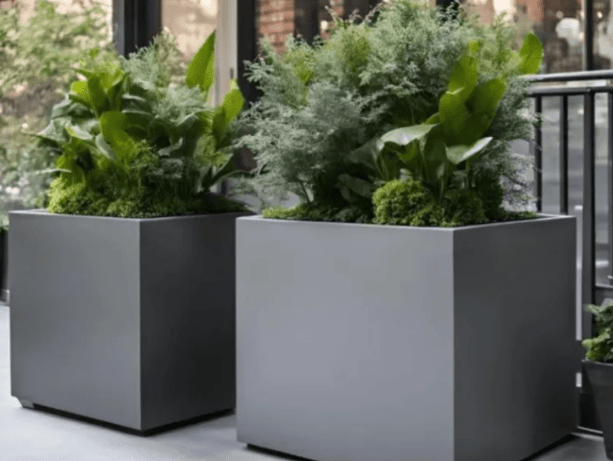
Choosing a planter should feel simple, but for many homeowners, it quickly becomes one of the most confusing parts of designing an outdoor or indoor space. A planter that looks perfect online can arrive and feel too small, too oversized, or simply wrong for the plant it was meant to hold.
The right planter size affects more than aesthetics. It affects plant health, watering frequency, root growth, and overall space function. Whether you are styling a front entryway, refreshing a balcony, or creating a backyard retreat, choosing the right size planter helps everything look more intentional and perform better over time.
At Planter Resource, we help homeowners choose planters every day. This guide breaks down planter sizing in a practical way so you can shop with confidence and avoid common sizing mistakes.
Find the right planter size for your space with help from Planter Resource.
Why Planter Size Matters More Than You Think
Many customers focus first on style or color, but size should always come first.
A planter that is too small can:
- Restrict root growth
- Dry out too quickly
- Cause plants to become unstable or top-heavy
- Require more frequent watering
A planter that is too large can:
- Hold excess moisture
- Increase the risk of root rot
- Overwhelm smaller spaces visually
- Make moving or rearranging difficult
The ideal planter supports healthy growth while also fitting comfortably into your design.
Start with Your Plant Size
The easiest way to choose a planter is to begin with the plant.
As a general rule, your new planter should be 2 to 4 inches wider than the current nursery pot for smaller plants and 4 to 8 inches wider for larger plants.
Small Plants (4–8 inch nursery pots)
Best for:
- Succulents
- Herbs
- Small flowers
- Young houseplants
Recommended planter size:
6–12 inches wide
These work well for windowsills, tabletops, and compact balconies.
Medium Plants (10–14 inch nursery pots)
Best for:
- Snake plants Snake Plant
- Lavender Lavender
- Boxwoods Boxwood
- Ornamental Grasses
Recommended planter size:
14–20 inches wide
These are ideal for patios, entryways, and grouped outdoor displays.
Large Plants or Shrubs
Best for:
- Small trees
- Large tropicals
- Mature shrubs
- Statement plants
Recommended planter size:
20 inches and up
Larger planters create visual impact and allow roots room to grow for years.
Need help choosing the right size? Contact Planter Resource for expert recommendations.
Match Planter Depth to Root Type
Width matters, but depth matters too.
Different plants need different root spaces.
Shallow-rooted plants
Examples:
- Succulents
- Lettuce
- Annual flowers
Best depth:
6–10 inches
These work beautifully in low bowls and modern rectangular planters.
Moderate root systems
Examples:
- Herbs
- Perennials
- Decorative grasses
Best depth:
10–16 inches
This is one of the most versatile planter depths for everyday residential use.
Deep-rooted plants
Examples:
- Shrubs
- Small trees
- Climbing plants
Best depth:
18+ inches
These plants need room to establish strong, healthy roots.
Choosing Planter Sizes by Location
Your space often determines planter size as much as the plant does.
Balcony Planters
Small balconies need efficiency.
Best options:
- Narrow rectangular planters
- Lightweight fiberglass planters
- Vertical arrangements
Recommended sizes:
- 24–36 inch rectangles
- 12–18 inch rounds
Fiberglass is especially useful here because it is lightweight and easy to reposition.
Shop fiberglass planters for balcony-friendly options.
Patio Planters
Patios usually allow more flexibility.
Best options:
- Grouped round planters
- Mixed heights
- Larger decorative urns
Recommended sizes:
- 16–24 inch rounds
- 20+ inch focal planters
Patios benefit from layering different sizes for depth and balance.
Front Entryways
Entryways should feel symmetrical and welcoming.
Best options:
- Matching tall planters
- Oversized statement pieces
Recommended sizes:
- 24–36 inches tall
- 16–24 inches wide
Larger planters create stronger curb appeal and beautifully frame doorways.
Upgrade your entryway with premium outdoor planters from Planter Resource.
Rooftops
Rooftops require extra planning.
Consider:
- Weight restrictions
- Wind exposure
- Drainage needs
Best options:
- Lightweight fiberglass
- Wide, stable bases
- Rectangular layouts
Recommended sizes vary, but lighter materials matter most.
Common Sizing Mistakes to Avoid
Even experienced buyers make these mistakes:
Choosing based only on photos
Online photos can be misleading. Always check dimensions carefully.
Forgetting mature plant size
That tiny shrub may double in size within a year.
Ignoring drainage needs
Larger pots retain more water, which affects watering schedules.
Not measuring your space
Always measure the area before ordering, especially balconies and entryways.
At Planter Resource, we’re happy to help customers double-check sizing before they buy.
Does Material Affect Size Choice?
Yes, and more than many people realize.
Fiberglass Planters
Best for:
- Large planters
- Rooftops
- Balconies
- Easy movement
Benefits:
- Lightweight
- Durable
- Weather resistant
This makes larger sizes much easier to manage.
Terracotta Planters
Best for:
- Traditional aesthetics
- Smaller to medium plants
Benefits:
- Breathable
- Natural appearance
Keep in mind: terracotta becomes very heavy as it gets larger.
Explore terracotta planters for classic styling.
When in Doubt, Size Up Slightly
If you are choosing between two sizes, the larger option is often the safer choice, especially outdoors.
A little extra root space:
- supports healthier growth
- reduces watering stress
- creates a more substantial design presence
Just don’t go dramatically oversized unless the plant requires it.
Shop Smarter with Planter Resource
The right planter size makes everything easier. Your plants grow better. Your space looks more intentional. Your investment lasts longer.
At Planter Resource, we help homeowners choose planters that fit their plants, their spaces, and their style goals. Whether you need a single balcony planter or a full patio refresh, our team can guide you toward the right dimensions, materials, and designs.
Browse our collection today or contact us for expert sizing help. The perfect planter starts with the right size.