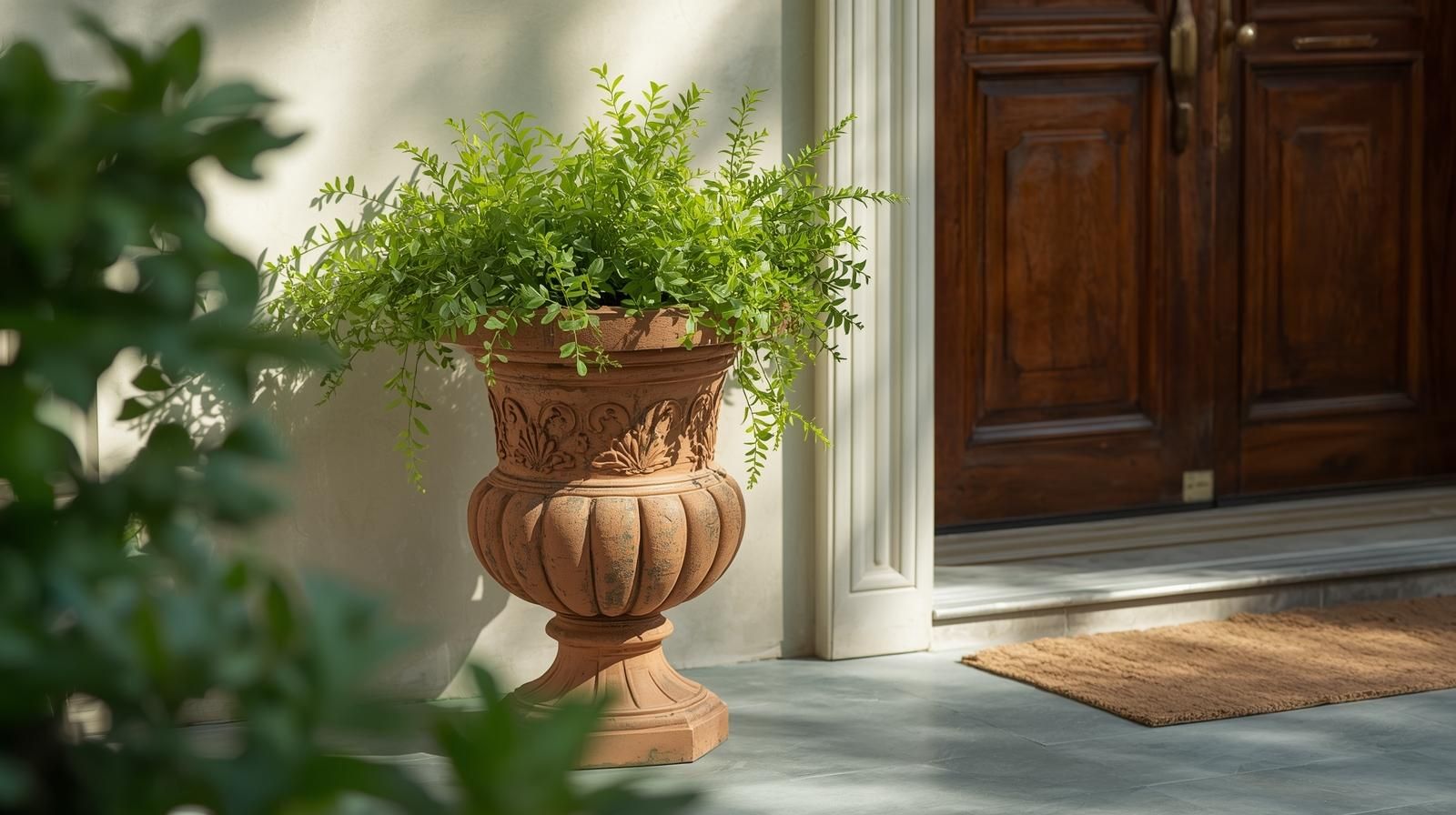
Smart Planter Sizing for High-Impact Spaces
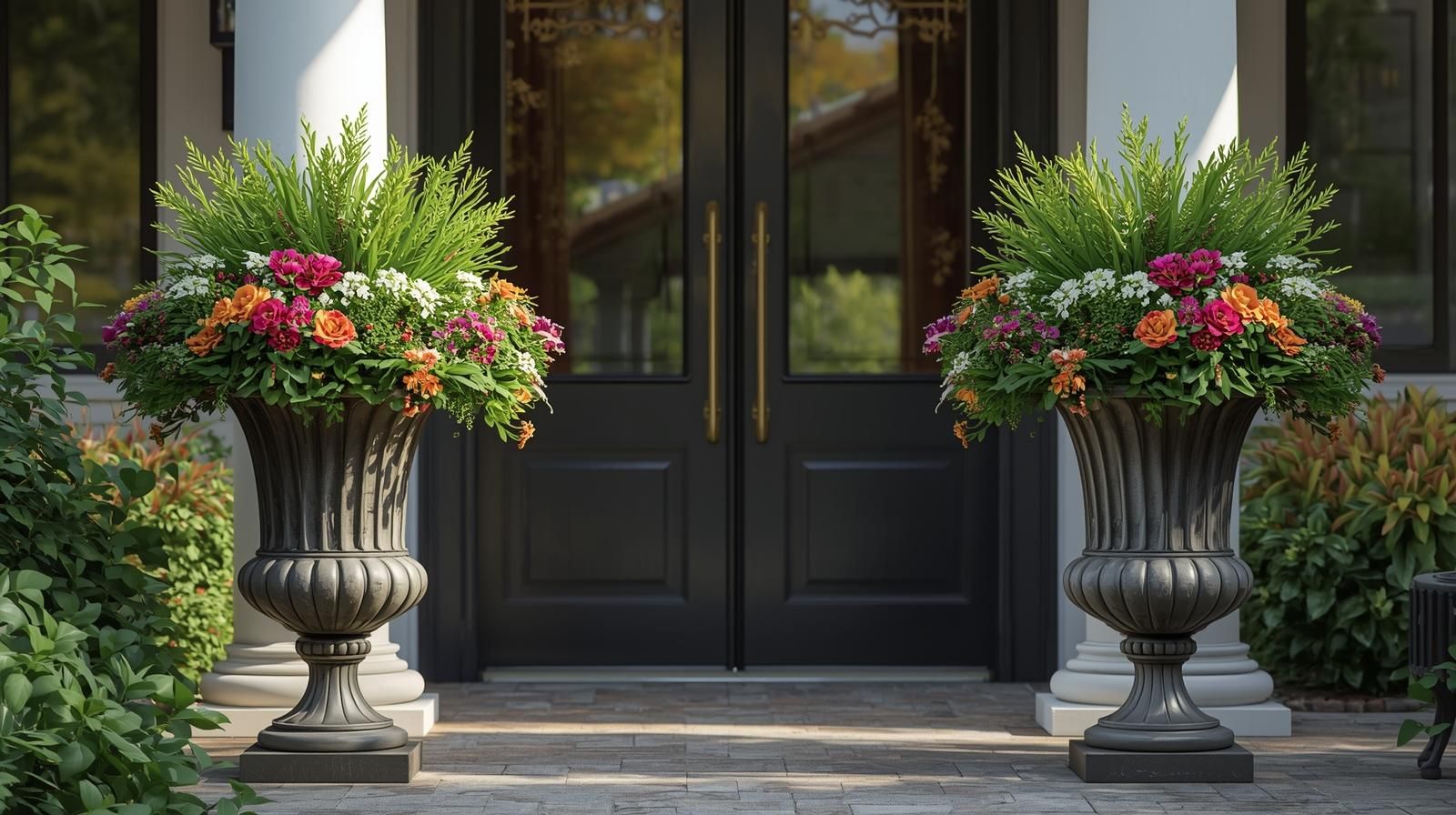 Choosing the right planter size can shape how a space looks, functions, and performs over time. Many buyers focus on visual scale first and miss the performance demands tied to placement.
Entryways need presence without congestion. Divider planters must guide movement while supporting healthy growth. Rooftop containers must manage wind, drainage, and structural limits.
Selecting the right planter size helps your space look more organized, keeps plants healthier, and helps your containers last longer. It can also make your garden easier to maintain over time.
At Planters Resource, we help you choose the right planter sizes for your space so your rooftop or deck garden looks balanced, polished, and easy to maintain.
Send your measurements and layout details to Planters Resource for a fast sizing recommendation that fits your space and performance needs. Get expert guidance that helps you choose with confidence and install with ease.
Why Functional Sizing Matters for Long-Term Performance
Planters aren’t just decorative—they support your plants, protect your space, and shape how your garden feels. The right size ensures plants have enough root space to thrive, looks balanced in your outdoor area, and keeps containers stable and safe.
When planters are too small or poorly sized, plants struggle, spaces feel crowded, and maintenance becomes more difficult. Choosing the right dimensions improves plant health, keeps your outdoor area organized, and helps your garden look polished and intentional.
How Placement Affects Planter Size
Where a planter sits in your garden or on your rooftop matters. Walkways, rooftops, and entryways each have different space needs. Considering traffic flow, sunlight, and wind exposure helps you pick a planter that fits perfectly and performs well.
Thinking through placement first makes choosing the right size much easier and ensures your garden looks intentional rather than cluttered.
Entryway Planter Sizes That Create Presence Without Getting in the Way
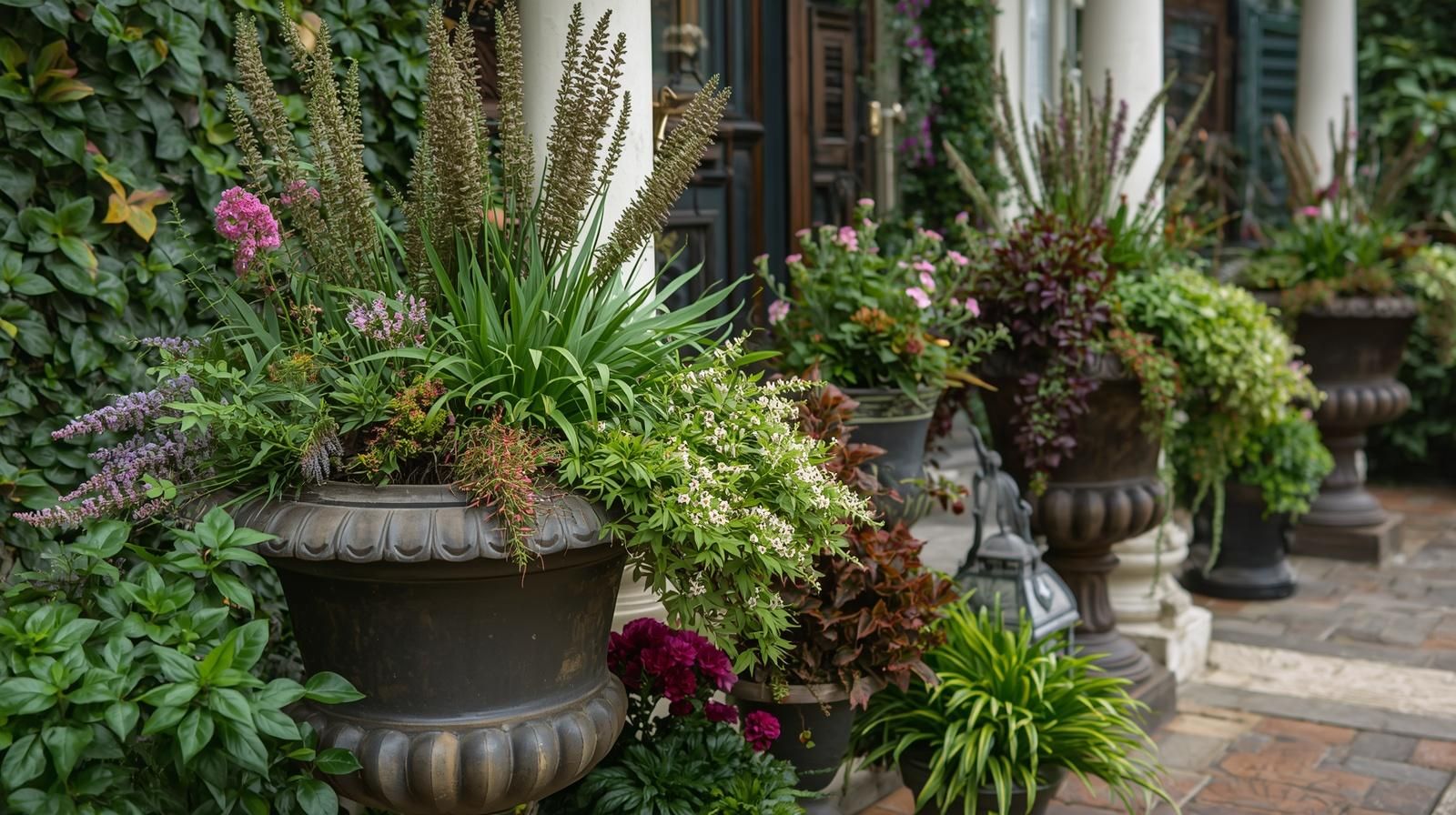
Entryways are the first thing visitors notice. The right planters can frame doors, guide movement, and create an inviting transition from outside to inside.
Tall planters add visual presence and complement the scale of your home. Proper width and spacing keep pathways clear and functional. Root depth should support healthy plants without frequent replacement.
Planters that are too big can overwhelm a small entry, while ones that are too small can feel temporary or out of proportion. Balanced sizing creates a welcoming, polished look and ensures your entryway garden thrives year after year.
Divider Planters That Shape Privacy and Flow
Divider planters are a great way to define pathways, create privacy, and organize open outdoor areas. The right length and height are essential for these planters to perform well in your space. Longer planters create continuous visual boundaries that guide the eye, while taller containers can screen views and add a sense of separation between seating or activity areas.
Stable proportions are important for safety, especially in high-traffic areas. Planters with wider bases or added weight remain secure and resist tipping. Choosing plants with the right root volume ensures that greenery stays dense, vibrant, and healthy over time, maintaining the intended look of the garden.
When divider planters are sized and placed thoughtfully, they guide movement naturally while enhancing the overall design of your rooftop, deck, or garden. Proper sizing also prevents walkways from feeling cramped or obstructed, keeping the space inviting and easy to navigate.
Rooftop Planters That Balance Stability and Safety
Rooftop gardens bring unique challenges. Elevated spaces are more exposed to wind, and weight restrictions often limit how large containers can be. Drainage is also critical to protect surfaces and keep plants healthy.
Choosing the right planter size helps your garden stay safe and beautiful. Larger containers provide stability and resist tipping, but the total weight should remain manageable to avoid putting too much strain on the rooftop or deck. Built-in drainage helps water flow away from plant roots and prevents accumulation on surfaces below.
Shape selection also matters. Rounded or tapered forms distribute weight evenly, while rectangular or modular shapes can provide wind resistance and define usable space. When planters are designed specifically for rooftop conditions, they support plant health, reduce maintenance needs, and protect your outdoor surfaces from damage over time.
Practical Guidelines for Choosing the Right Planter Size
Clear, thoughtful planning makes choosing the right planter size much easier. Entryways, walkways, and rooftop spaces all have different requirements, and considering these factors before you select a planter ensures both function and beauty.
Entryways: Planters should frame entrances, guide movement, and keep pathways clear. Height creates visual impact, while width ensures accessibility. Root depth should support healthy plants without requiring frequent replacements. Oversized containers can overwhelm narrow spaces, while undersized planters may feel temporary or out of scale. Balanced sizing creates a welcoming, polished look.
Divider planters: Length and height help define circulation, add privacy, and organize open areas. Taller, continuous containers screen views effectively, while proper width and stability prevent tipping. Root volume should match the plants for long-lasting greenery that looks full and lush.
Rooftop planters: These spaces require balancing volume, weight, and stability. Larger planters resist tipping, but total weight should comply with structural limits. Drainage must be controlled, and shapes should reduce wind impact and encourage water movement. Properly sized planters protect both the building structure and the plants.
Measuring the installation area before choosing a planter is essential. Width, height, traffic flow, wind exposure, sunlight, and soil depth all inform size selection. Evaluating these factors ensures your garden is safe, functional, and visually harmonious.
How Proper Planter Sizing Improves the Look and Performance of Your Garden
Functional sizing doesn’t just protect plants—it also enhances the appearance of your outdoor space. Entryway planters feel intentional and balanced, divider planters create organized and cohesive layouts, and rooftop installations look stable and professionally designed.
Well-sized planters also support plant health. Adequate root space, proper soil depth, and good drainage encourage fuller foliage, richer color, and consistent growth. Healthy plants reinforce the visual impact of your garden, creating lush, vibrant greenery that lasts throughout the seasons.
Using a Structured Approach to Planter Selection
Thinking about how each planter will be used helps guide size selection. Entryway containers can emphasize presentation and maintain clear access. Divider planters shape movement and create privacy without blocking essential views. Rooftop planters manage environmental exposure, weight restrictions, and drainage needs.
By connecting placement with function, you can select planters that meet both design and practical goals. Careful planning reduces uncertainty, improves safety and stability, and makes your outdoor space look polished, inviting, and ready to enjoy.
Questions and Answers About Planter Sizes and How to Plan Their Use
How do I determine the right planter size for an entryway?
Choosing the right planter for your entryway depends on the size of the entrance and how people move through the space. Start by measuring the width of the doorway and the surrounding walkway. Choose a height that complements your home’s facade while keeping sightlines clear.
Make sure there’s enough clearance for doors to open and for people to pass comfortably. The root depth of the planter should support the plants you want to grow long-term. Balanced proportions create a welcoming frame for your entry without crowding the space. You can even test placement with temporary markers before settling on a final spot to confirm spacing and alignment. Careful planning ensures a beautiful and functional entryway.
What makes divider planter sizing different from decorative placement?
Divider planters do more than look good—they guide movement, create separation, and sometimes provide privacy.
Length and height should match how people use the space. Stability is important because people may pass nearby or bump into planters. Planters with a wider base or added weight are less likely to tip. Root space should match the plants you choose, keeping greenery dense and visually appealing.
Well-sized divider planters organize your garden or deck naturally, guide traffic, and create privacy without making walkways feel crowded. Proper sizing balances beauty, function, and safety.
How do rooftop conditions influence planter size decisions?
Rooftop gardens face unique challenges like wind, weight limits, and drainage needs. Planter size must support healthy plants while staying stable in these elevated conditions.
Heavier containers resist tipping, but total weight must stay manageable to protect the rooftop or deck. Drainage systems help water flow properly and prevent pooling. Shape selection can also improve wind resistance.
Choosing the right size for rooftop planters protects your surfaces, helps plants thrive, and reduces the need for frequent maintenance. Thoughtful planning makes rooftop gardening safer and more reliable.
Why does root volume matter when selecting planter sizes?
Root space is essential for healthy, long-lasting plants. Adequate room lets roots absorb nutrients, retain moisture, and grow strong and stable.
Planters that are too small can stress plants, reduce foliage, and lead to frequent replacement. Larger root zones support stronger growth and better resilience.
Fast-growing plants often need deeper or wider containers than compact ornamental varieties. Matching planter size to root needs ensures your plants thrive and reduces long-term maintenance.
How can planter size improve safety in high-traffic areas?
The right planter size keeps walkways clear and containers stable. Oversized planters can obstruct movement, while undersized containers may tip or slide if bumped.
Divider planters should guide traffic without narrowing pathways too much. A wide base improves stability, and thoughtful placement ensures people move naturally around the space. Proper sizing protects visitors and keeps your garden or deck looking organized.
What role does drainage play in choosing planter dimensions?
Drainage affects depth, base design, and the overall planter structure. Planters need to let excess water escape while retaining enough moisture for plants to thrive.
Larger planters may include built-in drainage to prevent water from pooling. Rooftop containers often require controlled drainage to protect surfaces below. Soil volume also impacts moisture retention. Choosing the right size ensures water moves properly and plants stay healthy. Effective drainage prevents staining and root damage.
How do I balance aesthetics with functional planter sizing?
Planter size should look good and perform well. Proportion affects visual appeal, while depth, width, and shape impact stability, root health, and environmental performance.
Entryway planters should look balanced while keeping walkways clear. Divider planters should define space without overwhelming it. Rooftop containers should complement the space while staying stable and protecting surfaces. When size supports both appearance and function, your garden looks great and works reliably over time.
When should I use a measurement sheet before selecting planters?
A measurement sheet is helpful whenever precision matters—especially for rooftop gardens, complex layouts, or high-traffic areas.
Recording dimensions like width, height limits, surface type, and exposure to sun or wind helps you choose the right planter. Plant type and maintenance access also influence required size. Sharing this information when buying planters or consulting experts speeds up recommendations and reduces errors. Accurate measurements make planning simpler and prevent costly adjustments later.
Choose Planter Sizes That Perform as Well as They Look
Planter size affects plant health, traffic flow, and long-term durability. Entryways, dividers, and rooftops each require different sizing strategies to support their unique roles.
When planters are chosen based on function—not just appearance—they perform better, last longer, and maintain a polished look. A clear plan for placement and use helps turn measurements into practical sizing decisions. Thoughtful planning creates safer layouts, healthier plants, and more efficient maintenance.
With the right guidance and a focus on performance, the right planter size transforms your garden or deck into a stable, visually refined outdoor space.
Ready to find planters that fit your space perfectly?
Connect with Planters Resource to get expert advice for entryways, dividers, or rooftop gardens. Start your project with confidence and a solution designed to last