

Managing Outdoor Spaces Across New York City
Apartment building entrances, retail storefronts, shared courtyards, sidewalks, rooftops, and other common areas all need planters that fit the space, complement the property, and withstand regular use.
For property managers, choosing planters is about more than appearance. Size, material, placement, maintenance, quantity, and delivery can all affect how well an outdoor planting area performs over time.
This resource brings together practical considerations to help NYC property managers plan, purchase, and maintain outdoor planters for residential and commercial properties.
Start With the Property and Location
The right planter depends heavily on where you’ll use it. A planter for a Manhattan apartment entrance may have very different requirements than one placed on a Brooklyn rooftop or outside a Queens storefront.
Before purchasing, consider:
- Building entrances: Larger planters can help define entryways and create a finished appearance.
- Sidewalks and storefronts: Planters should add visual interest without disrupting pedestrian flow.
- Rooftops and terraces: Weight, available space, and weather exposure are important considerations.
- Courtyards and shared spaces: Multiple planters can help organize seating, walkways, and gathering areas.
- Apartment common areas: Consistent planter styles can create a cohesive look across the property.
Thinking about the location first makes it easier to narrow down the appropriate size, shape, and material.
Choosing the Right Planter Material
Material is an important part of any long-term planter plan. NYC outdoor spaces experience changing temperatures, rain, sunlight, and frequent handling, so property managers should consider how a planter will perform beyond its initial installation.
Planter Resource offers several material options, including fiberglass, terracotta, cedar, Fiberstone, and Durastone.
Fiberglass is a practical option for projects that require durable, lightweight planters in a variety of shapes and finishes. Durastone offers another option for properties seeking a substantial, architectural look with a glazed surface and long-term outdoor durability.
For traditional properties, terracotta and clay can bring warmth and classic character to entrances, stoops, and garden areas.
Explore Planter Resource’s planter collections to compare materials and styles for your property.
 Match the Shape to the Space
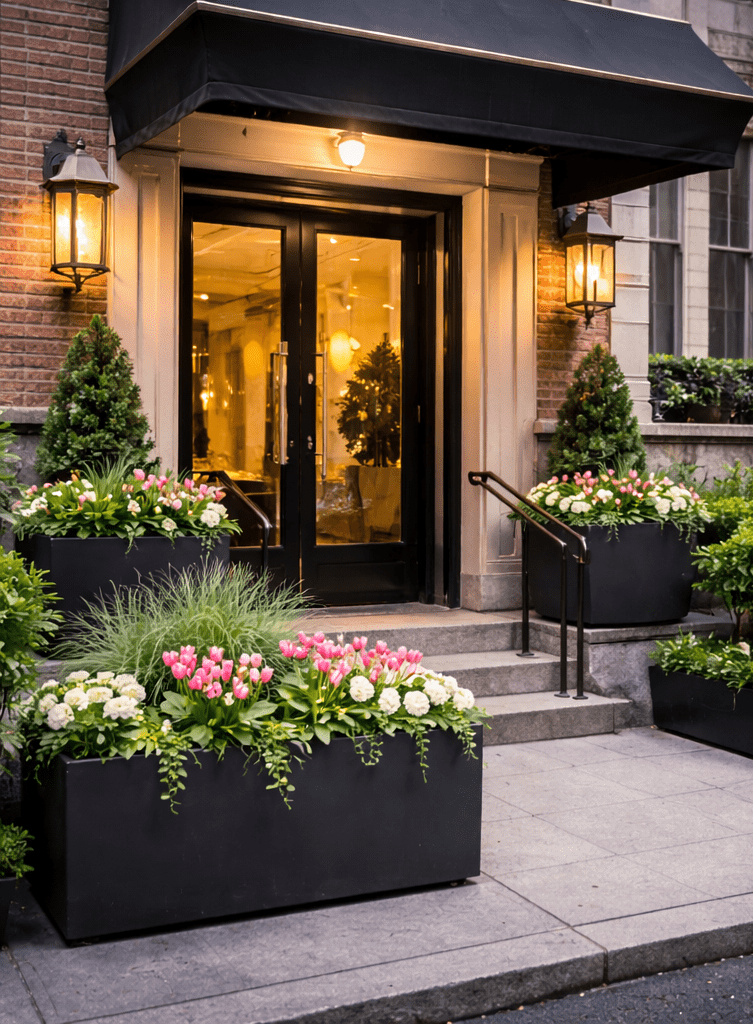 Match the Shape to the Space
Planter shape can significantly affect how a property looks and functions.
Rectangular planters work well along walls, building edges, walkways, and other narrow areas. They can also create visual boundaries without taking up as much usable space as multiple individual pots.
Round planters can create a central focal point at an entrance, courtyard, or open outdoor area. Their curved shape works particularly well when a property needs a softer contrast against more structured architecture.
Square planters can frame entrances or create organized rows, making them useful for modern or symmetrical designs.
For larger properties, combining different shapes can also help distinguish individual areas while maintaining a consistent overall look.
Use Size to Create Structure
Planter size should correspond with both the scale of the property and the available space.
Smaller planters can work well around compact entrances, window areas, or tighter outdoor spaces. Medium planters are useful for patios, garden beds, and commercial landscapes, while larger planters can make a stronger visual impact at major entrances and open public spaces.
For property managers overseeing multiple locations, keeping a few standard sizes in the overall planter plan can also make future replacements and additional orders easier.
Build a Consistent Look Across the Property
Consistency is especially useful when managing apartment buildings, commercial properties, or multiple locations throughout NYC.
Using the same material, color, or general planter style can create continuity between a building entrance, courtyard, sidewalk, and other shared spaces. It can also simplify future replacements when you need to update individual planters.
For properties with multiple locations, Planter Resource offers wholesale options to support larger projects and commercial rollouts.
Keep Maintenance in Mind
A planter should look good when it is first installed, but property managers also need to consider what happens months or years later.
Look for materials that can handle regular outdoor exposure and routine handling. Planters that are easy to clean and durable enough for long-term placement can reduce the ongoing attention required from property staff.
Placement matters, too. Planters located in high-traffic NYC areas may experience more contact and repositioning than those placed in a private courtyard or rooftop garden.
Choosing the right materials and sizes at the start can make ongoing maintenance easier.
Plan for Ordering and Delivery
Large properties may require multiple planters, making logistics an important part of the purchasing process. Property managers should consider the quantity needed, desired sizes and finishes, delivery location, and timing before ordering.
Planter Resource is based in New York and provides project support through the ordering and delivery process. Locally stocked products may also be available for same- or next-day delivery throughout the NYC area, depending on the order and location.
For larger projects, coordinating planter selections and delivery in advance can help keep installation moving smoothly.
Need planters for an upcoming NYC property project? Reach out to Planter Resource at 631-451-1254 to discuss your requirements.
NYC Property Manager’s Quick Planter Checklist
Before ordering, use this checklist to review the project:
Location
- Where will the planters be installed?
- Are they going on a sidewalk, entrance, rooftop, courtyard, or common area?
Size
- How much space is available?
- Do the planters need to fit along walls or within existing pathways?
Material
- What level of durability and maintenance do you need?
- Does the material complement the property’s architecture?
Style
- Should the planters blend into the property or create a focal point?
- Would consistent colors, shapes, or finishes improve the overall appearance?
Quantity
- How many planters are needed now?
- Will additional locations require matching planters later?
Delivery
- When are the planters needed?
- Does the project require local delivery or a larger coordinated order?

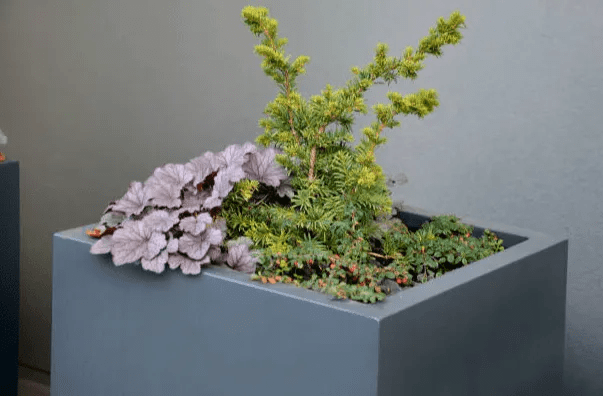
Plan Your NYC Property’s Outdoor Spaces
Good planter planning starts with the property itself. By considering location, scale, material, appearance, maintenance, quantity, and delivery, property managers can create outdoor spaces that are practical and visually cohesive.
Planter Resource offers a wide selection of planters and materials for NYC homes, businesses, commercial properties, and larger projects. Browse the available planter collections or contact Planter Resource for help selecting options for your next property project.