

Balcony Gardening in NYC
Growing plants on a New York City balcony is a great way to add greenery, color, and personality to your outdoor space, even with limited square footage. The right plants and planters can help you create a comfortable balcony garden without taking up more space than necessary.
Whether your balcony gets full sun all day or only a few hours of indirect light, these frequently asked questions can help you choose containers and plants that work for your space.
Planter Resource offers planters in a variety of sizes and shapes, including small, medium, and large options designed for different planting needs. Explore the collection to find containers that fit your balcony.
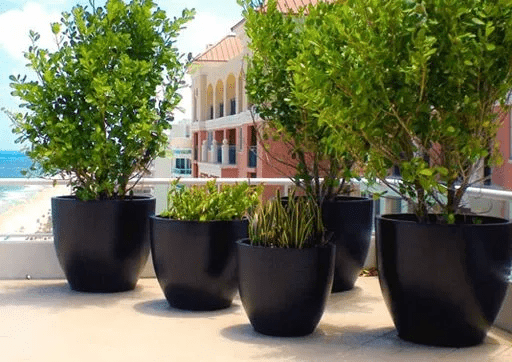
What plants grow well on NYC balconies?
The best plants for an NYC balcony depend on how much sunlight, wind, and space you have. Herbs such as basil, rosemary, thyme, and mint can work well in sunny locations, while flowers such as geraniums, petunias, and marigolds can add seasonal color.
For shadier balconies, consider plants that tolerate lower light, such as ferns, begonias, and certain varieties of coleus.
When selecting plants, consider their mature size as well as their current size. Choosing a planter with enough room for healthy root growth will help your plants thrive throughout the season.
What size planter is best for a balcony?
The best planter size depends on the available space and the plants you want to grow. Smaller containers work well for herbs, flowers, and compact plants, while larger planters can accommodate shrubs, ornamental grasses, or combinations of several plants.
For a small balcony, use vertical space and place a few well-chosen planters along the edges rather than filling the entire floor.
Are fiberglass planters good for balconies?
Yes. Fiberglass planters can be an excellent choice for balconies because they are lightweight yet durable. Their lighter construction can make them easier to move and rearrange than heavier materials.
Fiberglass planters are also weather-resistant and available in a variety of shapes, sizes, finishes, and colors. Planter Resource offers fiberglass options ranging from compact containers to larger statement planters, making it easier to find a style that suits your balcony.
Before purchasing a large planter, always make sure its size and weight are appropriate for your particular balcony.
How do I protect balcony plants from wind?
Wind can dry out plants quickly and may damage delicate stems and foliage. Positioning taller or more substantial planters along exposed areas of the balcony can help protect smaller plants.
You can also choose plants known to tolerate windy conditions and avoid placing lightweight containers where strong gusts could knock them over.
If your balcony is particularly exposed, consider how the planter itself will perform in windy weather. A properly sized, stable container can be an important part of creating a successful balcony garden.
How often should I water balcony plants?
No single watering schedule works for every balcony garden. Containers can dry out faster than plants growing in the ground, particularly when they receive direct sunlight or are exposed to wind.
Check the soil regularly by touching the surface and following the watering recommendations for your specific plants. Make sure excess water can drain from the bottom of the planter rather than remaining around the roots.
During especially hot periods, balcony plants may need more frequent checks. Larger containers generally hold moisture longer than very small ones.
Can I grow vegetables on an NYC balcony?
Yes. A balcony can be a productive space for growing vegetables and herbs. Tomatoes, peppers, lettuce, radishes, carrots, and herbs can all work in containers when given the right growing conditions.
Choose containers that are appropriately sized for the vegetables you want to grow. Tomatoes and other plants with substantial root systems may need larger planters, while herbs and leafy greens can often grow in smaller containers.
If you’re creating a balcony vegetable garden, start by choosing containers that give your plants enough room to develop. Browse Planter Resource’s selection to find planters for everything from compact herb gardens to larger container plantings.
What plants need the least maintenance?
Low-maintenance plants are a good choice if you want a balcony garden without spending hours caring for it. Some ornamental grasses, succulents, herbs, and hardy flowering plants can be relatively easy to maintain when placed in suitable conditions.
However, even low-maintenance plants still need appropriate sunlight, water, drainage, and growing space.
Choosing the right planter can make maintenance easier, too. Durable containers that are easy to clean and move can simplify seasonal care and rearranging your balcony garden.
How do I create privacy on my balcony?
Plants can provide a natural way to add privacy to a balcony. Tall plants, ornamental grasses, climbing plants, and strategically placed larger planters can help create a visual screen without installing a permanent structure.
Tall rectangular planters work particularly well along balcony edges, while individual tall planters can be positioned strategically where you need extra privacy.
For a more flexible arrangement, choose lightweight planters you can move as your needs change. Planter Resource offers a range of shapes and sizes that can help you create a more private and inviting balcony.
Are large planters safe for balconies?
You can use large planters on balconies, but you should always consider their total weight. Remember that the weight of a planter does not include just the container. Soil, plants, water, and other materials add to the overall load.
Before placing a large or heavy planter on a balcony, check your building’s guidelines and consult a qualified professional if you have concerns about structural capacity.
Lightweight fiberglass can be an appealing alternative to heavier planter materials. Planter Resource offers fiberglass containers that deliver substantial visual impact without the weight of some traditional materials.
How can I make a small balcony look bigger?
Use planters strategically rather than filling every available area. A few larger statement planters can sometimes create a cleaner appearance than many small containers scattered throughout the space.
Vertical arrangements can also draw the eye upward and make a compact balcony feel more spacious. Rectangular planters can fit neatly along edges, while round planters can soften corners and create visual variety.
Choose a consistent style or color palette to keep the space from feeling cluttered. Planter Resource offers a variety of shapes, finishes, and colors to help you create a cohesive balcony garden.
What plants tolerate full sun on a balcony?
Balconies with several hours of direct sunlight are well suited to sun-loving plants. Depending on your growing conditions, options may include lavender, rosemary, thyme, geraniums, petunias, marigolds, and certain ornamental grasses.
Keep in mind that reflected heat from surrounding buildings can make a NYC balcony considerably warmer than a traditional garden. Monitor your plants and soil closely during hot weather, particularly in smaller containers.
Choose planters with enough room for the plants you want to grow and make sure they have adequate drainage.
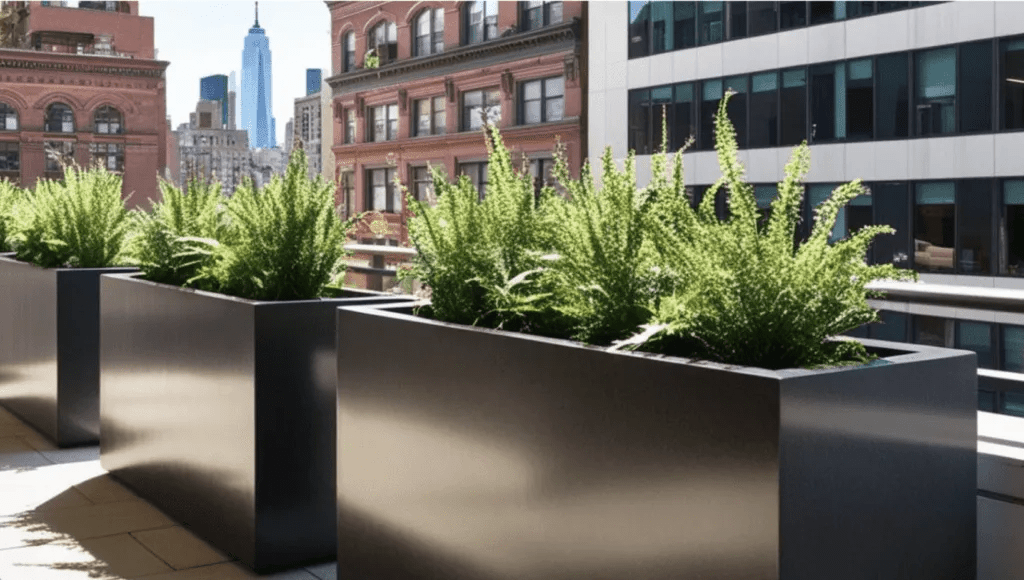
What plants tolerate shady balconies?
A shady balcony can still support a beautiful container garden. Ferns, begonias, coleus, impatiens, and some varieties of ivy can perform well in lower light conditions.
The amount of shade matters. A balcony receiving several hours of indirect light is different from one that receives almost no natural light.
Before choosing plants, observe your balcony throughout the day to determine how much sunlight it actually receives. Then select plants and planters accordingly.
Create a Balcony Garden That Works for Your NYC Home
A successful balcony garden starts with understanding your space. Consider sunlight, wind exposure, available room, plant size, watering needs, and the weight of your containers before making your selections.
The right planter can make your balcony more functional while giving your plants the space they need to grow. From lightweight fiberglass containers to planters in a variety of shapes and sizes, Planter Resource can help you find options that complement your outdoor space.
Ready to transform your balcony? Explore Planter Resource’s planter collection and find the containers you need to create your own NYC balcony garden.