Choosing outdoor planters for a NYC home involves more than finding a style
NYC weather can put containers through hot summers, freezing winters, heavy rain, strong winds, and frequent temperature changes. For homeowners with balconies, patios, rooftops, and small gardens, weight and maintenance matter too.
So, what are the best outdoor planters for NYC?
Fiberglass, terracotta, and ceramic each offer unique benefits, but they perform differently in New York’s demanding conditions. Understanding those differences can help you choose planters that look beautiful while supporting your plants season after season.
At Planter Resource, we offer a wide selection of outdoor planters for NYC homes and outdoor spaces. Explore our collection today or contact our team for help finding the right material for your space.
How NYC Weather Affects Outdoor Planters
New York experiences dramatic seasonal changes. Summer temperatures can climb into the 90s, while winter brings freezing temperatures, snow, ice, and repeated freeze-thaw cycles.
That means an outdoor planter needs to handle more than occasional rain.
One of the biggest concerns is the freeze-thaw cycle. When moisture enters a porous material and freezes, it expands. Repeated freezing and thawing can eventually cause certain planters to crack or deteriorate.
Summer creates a different challenge. Prolonged sunlight and heat can affect finishes, while intense weather can make lightweight containers vulnerable to movement or tipping.
For NYC homeowners, choosing a planter material designed for outdoor conditions can make a major difference.
Fiberglass Planters: Lightweight and Weather-Resistant
For many NYC homes, fiberglass planters offer an excellent combination of durability, style, and convenience.
Fiberglass does not absorb moisture like porous clay materials, making it highly resistant to the cracking associated with freeze-thaw conditions. It also handles rain, snow, sunlight, and temperature fluctuations while remaining significantly lighter than materials such as stone or concrete.
That lightweight construction is especially valuable in NYC.
Fiberglass planters work beautifully for:
- Balconies
- Rooftops
- Terraces
- Patios
- Front entrances
- Small urban gardens
Moving a large planter into position can be difficult when you’re carrying it up stairs or working within a compact outdoor space. Fiberglass makes installation and seasonal rearranging much easier.
Ready to explore a durable option for your home? Browse Planter Resource’s fiberglass planters and discover different shapes, sizes, and finishes.
Terracotta Planters: Classic and Naturally Breathable
Terracotta remains a popular choice for homeowners who love traditional, earthy design.
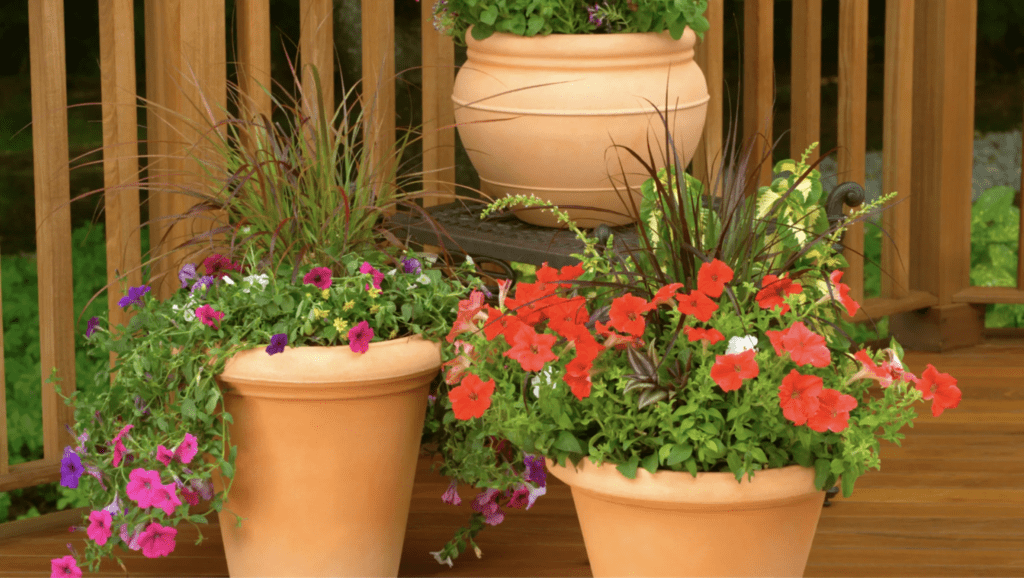
Its natural clay construction allows air and moisture to move through the material, which can benefit plants that prefer drier soil. Terracotta also adds warmth and texture to patios, balconies, gardens, and entryways.
However, NYC homeowners should be more cautious about leaving terracotta outdoors through harsh winter conditions.
Because terracotta is porous, moisture can enter the material. During repeated freeze-thaw cycles, that moisture can expand and increase the risk of cracking.
If you love the look of terracotta, consider using it in protected outdoor areas or for plants you can move indoors during periods of extreme cold.
Explore Planter Resource’s terracotta collection to find styles that bring natural character to your home.
Ceramic Planters: Decorative Style with Extra Considerations
Ceramic planters can be an excellent way to introduce color, texture, and personality to an outdoor space. Glazed finishes can create a polished appearance that works particularly well around entrances, patios, and balconies.
However, ceramic can be vulnerable to cracking when exposed to freezing temperatures, particularly if moisture gets into the material.
For this reason, ceramic planters are often better suited to protected spaces or seasonal use unless the specific product is designed and rated for year-round outdoor conditions.
If you’re considering ceramic for your NYC home, pay close attention to the manufacturer’s recommendations regarding freezing temperatures and outdoor use.
Weight Matters More Than You Might Think
Planter weight matters even more in New York City.
A large container may already be difficult to move, and adding wet soil and a mature plant can make it significantly heavier. This is particularly important on balconies, rooftops, terraces, and upper-level outdoor spaces.
Terracotta and ceramic can become cumbersome as they get larger. Fiberglass offers a major advantage because the container is lightweight before you add soil and plants.
That makes fiberglass a practical choice when you want the visual impact of a large planter without the difficulty of moving a heavy container.
Planning a balcony or rooftop garden? Shop lightweight fiberglass planters designed for versatile outdoor applications.
Which Material Requires the Least Maintenance?
Maintenance is another factor worth considering.
Terracotta can develop mineral deposits and weathered finishes over time. Its porous surface also requires more attention to moisture management, particularly in changing weather.
Ceramic can be relatively easy to clean, but damaged or cracked pieces may need to be replaced.
Fiberglass is generally simple to maintain. Regular cleaning with mild soap, water, and a soft cloth can help keep the surface looking fresh. No regular sealing or staining is needed.
For homeowners who want attractive outdoor spaces without a long maintenance checklist, fiberglass can be an especially convenient option.
Which Planter Material Lasts the Longest?
Longevity depends on the quality of the planter, how it is used, and the conditions it experiences.
Terracotta and ceramic can last for years with proper care, but freezing temperatures can increase the risk of damage.
Fiberglass is designed to handle demanding outdoor conditions and does not have the same moisture-absorption concerns as porous clay. Its combination of strength and weather resistance makes it a popular choice for homeowners looking for long-term outdoor planters.
If you’re investing in containers for your home, choosing a durable material can help you avoid replacing damaged planters every few seasons.
So, What Are the Best Outdoor Planters for NYC?
No single material works perfectly for every homeowner, but your space and priorities can make the decision easier.
Choose fiberglass if you want: lightweight construction, year-round outdoor durability, easy maintenance, and modern versatility.
Choose terracotta if you want: natural texture, earthy color, breathability, and a traditional garden aesthetic.
Choose ceramic if you want: decorative finishes, bold colors, and statement pieces for protected or seasonal spaces.
For many NYC homeowners, fiberglass offers the most practical balance of weather resistance, longevity, weight, and maintenance.
Find the Right Planters for Your NYC Home
Your outdoor space deserves planters that can handle New York weather without making everyday care more difficult.
Whether you’re furnishing a small balcony, refreshing your front entrance, creating a rooftop garden, or adding greenery to a backyard patio, Planter Resource can help you find containers that fit your space and style.
Browse our fiberglass planters, explore our terracotta planters, or shop our complete collection to compare your options.
Not sure which material is right for your home? Contact Planter Resource for expert guidance and discover outdoor planters built to look beautiful through every NYC season.