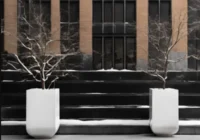
As temperatures drop, maintaining productive outdoor planting displays becomes a challenge for wholesale buyers. Many leafy greens struggle when frost arrives, leaving gardens, patios, and commercial landscapes without the greenery they once enjoyed. However, certain members of the cruciferous vegetable family thrive in cooler conditions and can continue growing into winter when buyers select appropriate varieties and prepare their containers correctly. Kale, collards, and mustard greens offer an opportunity to maintain attractive, productive planting arrangements well beyond the traditional growing season. Our fiberglass planters offer a durable option for outdoor gardening, while our knowledgeable team can help customers navigate questions about planter dimensions, materials, and applications. Choosing planters with enough soil depth and adequate drainage can help buyers keep their displays green later into the season.
At Planter Resource, we understand that successful planting starts with choosing the right container for the job. With thoughtful preparation, wholesale buyers can create seasonal displays that keep growing when warmer-weather plants begin to fade.
Choose Cold-Hardy Cruciferous Greens For Fall And Winter
Cruciferous vegetables belong to the Brassicaceae family, which includes several leafy greens that tolerate cooler temperatures. According to the University of Maryland Extension’s fall vegetable gardening guide, crops such as kale, collards, mustard greens, and bok choy offer useful options for fall gardening.
Kale And Collards Provide Dependable Cold-Season Greenery
Kale is a popular choice for fall and winter planting because established plants tolerate frost and keep producing leaves in cooler weather. Varieties such as Lacinato and Red Russian also introduce different textures and colors to outdoor arrangements.
Collards offer another excellent option. Their broad leaves create a substantial green display, making them particularly useful for larger containers and productive planting arrangements.
Mustard Greens And Asian Greens Add Variety
Mustard greens provide attractive foliage and a distinctive flavor, while bok choy and tatsoi offer additional cool-season options. These varieties allow buyers to introduce different leaf shapes, colors, and growth habits into their planting designs.
For wholesale buyers, combining several compatible varieties can create visually interesting displays while offering different harvest opportunities.
Prepare Fiberglass Planters For Successful Winter Growing
Choosing cold-hardy plants represents only part of the process. Container dimensions, soil quality, drainage, and winter exposure all affect how well leafy greens grow.
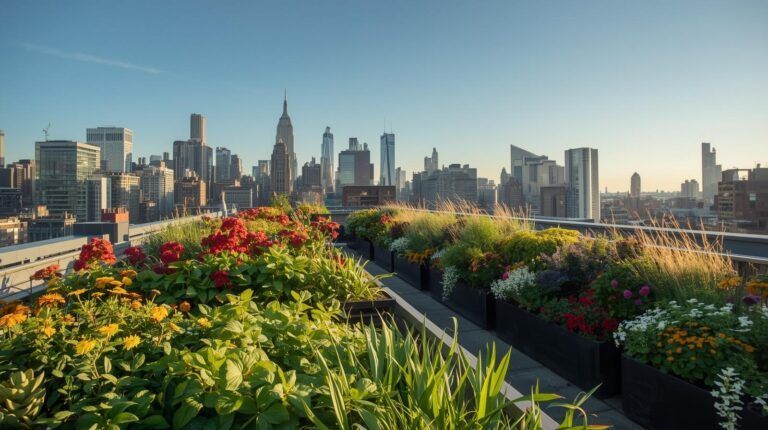
Our fiberglass planters provide a lightweight, durable option for outdoor planting projects. Their weather-resistant construction makes them useful for commercial landscapes, patios, and rooftop gardens.
Select Planter Dimensions That Support Healthy Roots
Different greens require different amounts of growing space. Kale needs room for its foliage and roots, while collards can develop into particularly substantial plants.
The North Carolina State University Extension container gardening guide provides minimum container recommendations for vegetable crops, including approximately eight inches of soil depth for kale and twelve inches for collards.
Our rectangular fiberglass planters offer room for organized rows of greens, while our square fiberglass planters provide a structured option for smaller planting arrangements.
Maintain Drainage And Consistent Soil Moisture
Cold-weather gardening still requires attention to watering. Leafy greens need moisture to establish healthy roots, but saturated soil can encourage root problems.
Choose a quality potting mix formulated for container vegetables and make sure the planter provides adequate drainage. Check moisture levels regularly, especially during periods when freezing temperatures alternate with warmer days.
Protect Your Leafy Greens When Winter Temperatures Drop
Although cold-hardy greens tolerate frost better than many warm-season vegetables, container gardening adds a few considerations. Roots in containers experience greater temperature fluctuations than roots growing in the ground.
Give Plants Time To Establish Before Severe Cold
Timing makes a significant difference. Plant greens early enough in fall to establish healthy root systems before severe winter conditions arrive.
The University of Maryland Extension identifies several leafy greens that tolerate hard frost, including kale, spinach, arugula, and turnip greens. However, actual performance depends on the variety and local climate.
Consider these practical steps when preparing your containers:
- Select cold-hardy varieties suited to your growing region.
- Plant early enough for roots to establish before winter.
- Space plants according to their mature growth requirements.
- Position containers where plants receive appropriate sunlight.
- Apply mulch to help moderate soil temperature and moisture.
- Use frost cloth during particularly severe cold spells.
Choose Container Styles That Complement Your Installation
Winter vegetable gardens can serve a functional purpose without sacrificing appearance. Our round fiberglass planters introduce softer shapes, while our tall fiberglass planters offer another way to create visual interest.
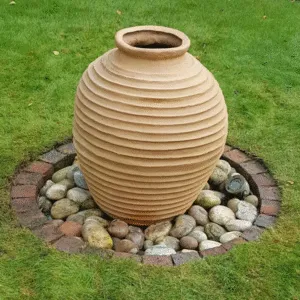
For larger focal points, buyers can also explore our fiberglass urns. Coordinating different shapes and sizes helps create a cohesive installation while accommodating different planting requirements.
Make Seasonal Planting Decisions With Wholesale Planter Expertise
Successful winter gardening involves more than selecting cold-tolerant vegetables. Buyers must consider growing space, drainage, material characteristics, and the demands of their particular installation.
At Planter Resource, we know wholesale buyers often have questions about which containers best suit their projects. Our selection includes different fiberglass styles, sizes, and finishes to support a variety of commercial and residential applications.
Our outdoor planter collection offers additional options for customers comparing materials and designs. We also encourage buyers to learn more about our company and our experience supplying pottery and planters since 1994.
Whether you are sourcing wholesale pottery for a landscaping project or comparing fiberglass planters for NYC businesses’ needs, our team can help you explore available products and make informed purchasing decisions.
Grow With Confidence With Planter Resource
Fall and winter do not have to mean the end of productive outdoor planting. With cold-hardy cruciferous greens, appropriate growing conditions, and thoughtfully selected fiberglass containers, wholesale buyers can maintain attractive greenery and extend their growing season.
Planter Resource is a reliable wholesale planter supplier that understands the importance of helping customers find the right products for their individual needs. We take pride in offering a diverse selection of planters and knowledgeable assistance for questions about materials, dimensions, styles, and applications. Contact us at (631) 451-1254 to discuss your next project and discover how our wholesale pottery selection can support your seasonal planting goals.
Frequently Asked Questions
Which Cruciferous Greens Grow Best During Winter?
Kale, collards, mustard greens, bok choy, and tatsoi are useful cool-season choices. Select varieties suited to your local climate and winter temperatures.
Can Kale Survive Frost In A Fiberglass Planter?
Yes. Established kale plants tolerate frost, but container roots face greater temperature fluctuations than in-ground plants. Mulching and frost protection can help during severe cold.
When Should I Plant Winter Leafy Greens?
Plant in late summer or early fall, giving plants enough time to establish before severe winter weather arrives. Exact timing depends on your growing region.
Are Fiberglass Planters Suitable For Growing Vegetables?
Yes. Fiberglass planters can accommodate vegetable gardens when they provide sufficient growing depth, appropriate drainage, and enough space for mature plants.
How Deep Should A Planter Be For Kale And Collards?
North Carolina State University Extension recommends approximately eight inches of soil depth for kale and twelve inches for collards.
Do Winter Greens Need Fertilizer?
Leafy greens benefit from nutrient-rich growing media. Follow the recommendations for your chosen varieties and avoid excessive fertilizer applications.
How Can I Protect Container Vegetables From Severe Frost?
Apply mulch, group containers in sheltered locations, monitor soil moisture, and use frost cloth when temperatures drop sharply.
Can I Grow Different Cruciferous Greens In One Planter?
Yes. You can combine compatible varieties that share similar sunlight, moisture, and spacing needs. Account for mature plant sizes to prevent overcrowding.
Where Can I Find Wholesale Fiberglass Planters In NYC?
Planter Resource offers a variety of fiberglass planters for commercial and residential applications. Our team can help you explore available options and identify suitable containers for your project.