Keeping indoor spaces vibrant in New York City can feel like a constant challenge. Offices, lobbies, restaurants, and apartments experience changing light, temperature, and foot traffic throughout the year. Without a plan for seasonal plant swaps in NYC, greenery can quickly look tired, and spaces lose their sense of energy and welcome.
Seasonal plant swaps refresh interiors, improve air quality, and help plants thrive by matching them to the right environmental conditions. For managers, designers, and homeowners, planning plant rotations reduces maintenance headaches while keeping spaces attractive year-round.
Explore practical strategies and plant ideas that simplify maintaining fresh plants year-round and help you enjoy greenery through every season. Start planning your seasonal swaps today with Planter Resource and give your interiors a vibrant, year-round appeal.
Seasonal Plant Swaps Matter
Seasonal rotations create healthier environments for both plants and people. Plants respond to light and temperature, so rotating them or replacing certain species keeps them from becoming stressed or weak. Indoor spaces that follow a seasonal plant routine show immediate visual improvement, giving visitors a refreshed impression each time they enter.
In commercial settings, maintaining fresh plants year-round supports professional presentation and ambiance. Restaurants and offices can benefit from plants that bloom, shift in color, or thrive in cooler or warmer months. Apartments also gain a sense of renewal when plants adapt to seasonal changes. Plant care for changing seasons is essential to maximize the life and appearance of greenery indoors.
Planning seasonal swaps in advance lets you choose the right plants for each environment. You can introduce hardy winter species in low-light spaces, vibrant spring blooms in sunny areas, or resilient summer greenery that can handle heat and dry indoor air.
Tips for Seasonal Plant Swaps
Rotating indoor plants may seem complicated, but a structured approach makes it manageable. The following strategies simplify seasonal plant swaps in NYC while keeping interiors consistently attractive.
1. Assess Light and Space
Check how much sunlight each area receives during each season. Winter light can be weaker and lower, while summer sun may become intense in specific spots. Move plants to ensure they continue to thrive.
Measure your space and plan for plant sizes. Taller species may be ideal for open lobbies, while compact varieties work in apartments or narrow corridors. Planter placement affects both aesthetics and plant health, so consider height, mobility, and the sightlines from different perspectives.
2. Choose Seasonal Favorites
Select plants that naturally thrive in each part of the year. Some examples include:
- Winter: Evergreen species, snake plants, and ferns for consistent greenery.
- Spring: Blooming tulips, hyacinths, and daffodils to brighten interiors.
- Summer: Tropical foliage, palms, and hardy succulents that tolerate heat.
- Fall: Ornamental grasses, mums, and autumn-colored foliage for warmth.
Rotating species allows you to introduce variety while respecting each plant’s environmental needs.
3. Plan Maintenance Routines
Adjust watering, fertilizing, and pruning schedules for each season. Winter requires less frequent watering, while summer may demand more due to higher evaporation. Regular maintenance during swaps helps keep plants vibrant and prevents common problems like root rot and nutrient deficiencies.
4. Incorporate Portable Planters
Use lightweight and mobile containers for easy swapping. Fiberglass commercial planters and terracotta planters are excellent options because they combine durability with aesthetic appeal. Portable planters allow you to rearrange or move plants seasonally without heavy lifting or disruption.
5. Blend Function with Design
Think about how plants enhance the functionality of space. Use larger planters to create partitions in open areas, or smaller planters to accent seating and entryways. Combining different textures and colors creates visual interest while serving practical purposes, such as defining zones or softening hard surfaces.
6. Record Your Rotations
Keep a simple journal or digital note of your seasonal swaps. Document plant species, care requirements, and placement preferences. Over time, this record makes it easier to plan rotations, anticipate challenges, and maintain fresh plants year-round efficiently.
Popular Plants for Seasonal Rotation
Selecting the right species simplifies indoor plant care for changing seasons. Consider these plants for year-round appeal:
- Snake plants: Adaptable to low light and minimal watering.
- Ferns: Great for humid areas and softening architectural lines.
- Orchids: Add elegance and color during spring and summer.
- Succulents: Perfect for sunny spots and easy to maintain.
- Pothos: Hardy, trailing plants ideal for lobbies and offices.
- Peace lilies: Provide consistent greenery and bloom indoors.
Combining these plants across seasons ensures constant visual interest while minimizing replacement needs.
Seasonal Considerations for Commercial Spaces
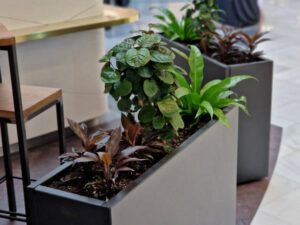
Commercial interiors present unique challenges. Lobbies, restaurants, and shared spaces face foot traffic, variable lighting, and HVAC systems that affect plant health. Seasonal plant swaps in NYC allow managers to introduce resilient species while keeping spaces welcoming.
- Entryways: Use statement planters with seasonal blooms to create a strong first impression.
- Seating areas: Arrange mid-height plants to add softness without blocking sightlines.
- Office spaces: Prioritize low-maintenance greenery that improves focus and air quality.
Maintaining fresh plants year-round in commercial spaces requires planning, appropriate containers, and knowledge of each species’ needs.
Benefits of Planter Selection
Planters do more than hold soil and plants. The right choice supports plant health, complements interior design, and makes seasonal swapping easy. Fiberglass commercial planters are lightweight and durable, making them ideal for offices or lobbies with frequent rotations. Terracotta planters regulate moisture and add classic elegance to residential or commercial interiors.
Selecting the right planter makes plant care for changing seasons simpler, less labor-intensive, and visually impactful. Planters also allow flexibility in arranging greenery to respond to seasonal shifts in light, temperature, and space usage.
Keep Your Interiors Vibrant Year-Round
Seasonal plant swaps keep New York City interiors lively and visually appealing throughout the year. By assessing light, space, and plant needs, managers and homeowners can maintain fresh plants year-round and enhance their indoor environments.
Thoughtful rotations of species, paired with the right planters, create welcoming spaces that feel cared for and vibrant. Connect with Planter Resource to explore our selection of planters designed for easy seasonal rotations and a year-round fresh look.