Spring and summer projects in New York City move fast, and the materials you choose early can either keep your project on track or quietly drive up costs.
If you are selecting planters solely on price, you may be setting yourself up for breakage, replacements, and unnecessary labor down the line. The reality is that planter material impacts everything from installation speed to long-term maintenance and overall project success.
Planter Resource helps homeowners, designers, and property managers choose materials that perform in real NYC conditions. Explore our full selection of fiberglass, terracotta, and clay planters today and make a smarter investment from the start.
Why Planter Material Matters More Than You Think
In a city like New York, planter materials are not just about aesthetics. It directly affects durability, mobility, maintenance, and long-term costs. The wrong choice may look fine on day one, but within weeks or months, the issues start to show.
Cracking, fading, heavy lifting, and constant replacements are not just inconveniences. They are hidden costs that add up quickly, especially across multiple planters or larger projects.
The Real Cost of Breakage and Replacement
One of the highest hidden costs comes from fragile materials. Traditional ceramic or low-grade clay planters may offer a classic look, but they are far more vulnerable to cracking, especially in NYC’s fluctuating temperatures.
Freeze-thaw cycles in early spring, combined with heavy use in high-traffic areas, can lead to chipping, cracking, and complete breakage. Once that happens, you are not just replacing a planter. You are also dealing with:
- Labor to remove and replace damaged units
- Potential plant loss or replanting costs
- Disruption to your overall design
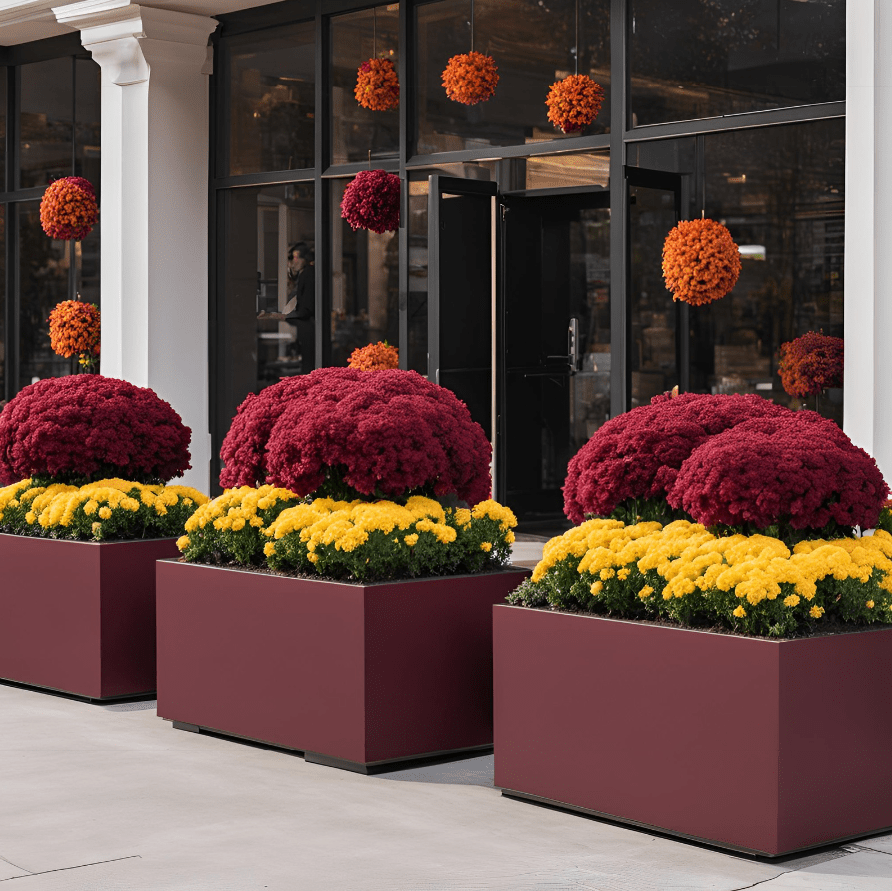
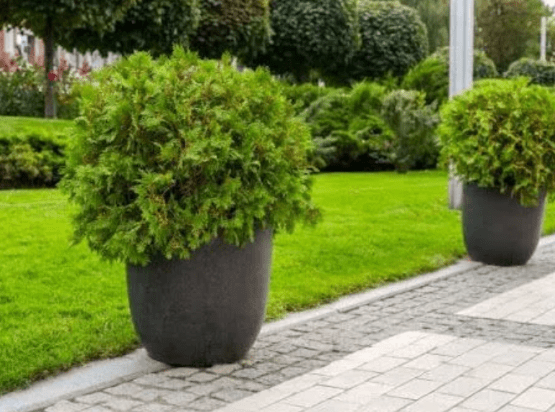
This is why fiberglass planters continue to gain traction. They are designed to resist cracking, retain their structural integrity, and maintain their appearance even in challenging conditions.
If you want to avoid repeat purchases and constant maintenance, now is the time to explore more durable options. Contact Planter Resource today to find planters built to last in NYC environments.
Weight and Handling Create Hidden Labor Costs
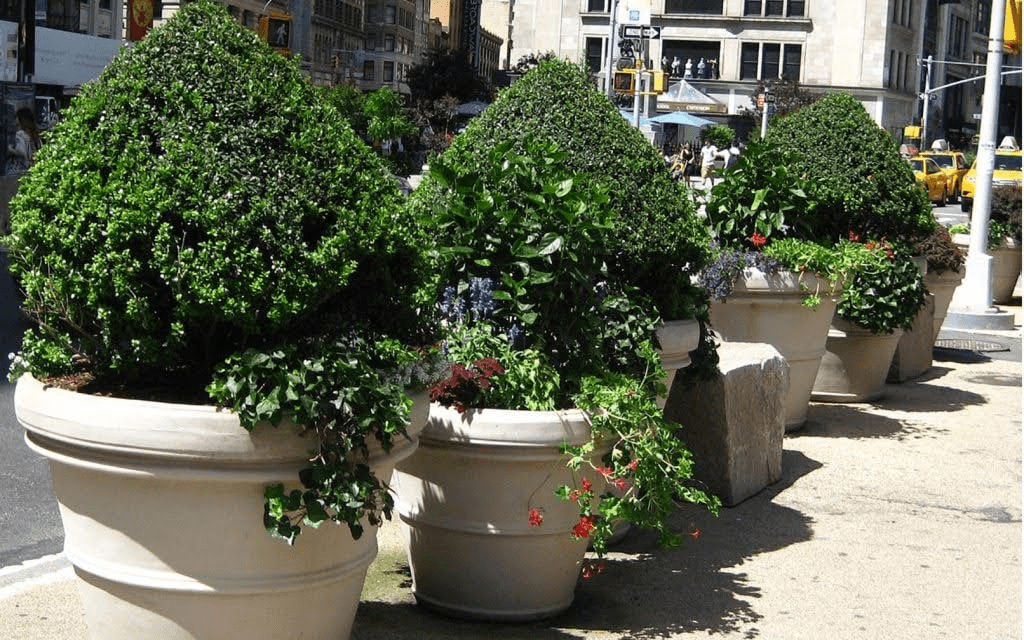
Another major factor that often gets overlooked is weight. Heavy materials like concrete or thick ceramic may seem durable, but they create logistical challenges that slow down projects.
Moving heavy planters requires more labor, more time, and sometimes even special equipment. For residential projects like rooftops, balconies, or brownstone stoops, this becomes even more complicated.
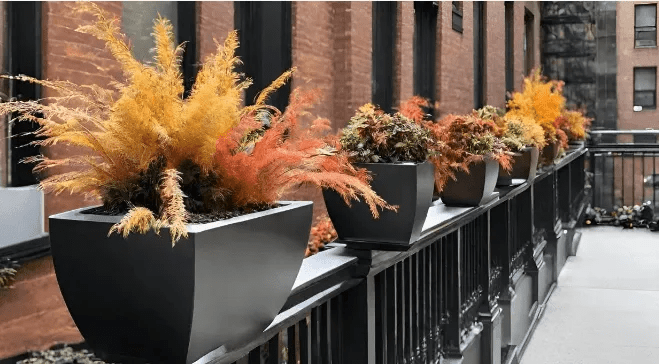
Lightweight materials like fiberglass solve this problem entirely. They are easy to transport, reposition, and install, making them ideal for NYC spaces where access and mobility are always factors.
Fiberglass-related pages, including rectangular and round planter collections, continue to perform well because they address real operational needs rather than just design preferences.
Maintenance Adds Up Over Time
Choosing the wrong planter material affects more than just installation. It also impacts how much time and effort you will spend maintaining your space.
Lower-quality materials may fade under UV exposure, stain easily, or require frequent cleaning. Over time, this leads to more labor and a less polished appearance.
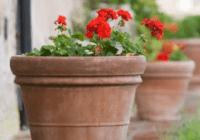
Terracotta planters offer a strong balance when used correctly. They provide a natural, breathable environment for plants and work well in residential settings. However, they still require proper care and placement to avoid wear over time.
Fiberglass, on the other hand, offers a low-maintenance solution that resists weathering, making it ideal for customers who want long-term consistency without constant upkeep.
Choosing the right material upfront reduces the need for ongoing fixes and keeps your space looking clean and professional.
Inconsistent Materials Can Disrupt Your Design
For multi-area residential properties or larger home projects, consistency matters. Mixing materials that age at different rates can create a mismatched look over time.
Some planters may fade faster, others may crack, and suddenly your cohesive design starts to fall apart. This is especially important for NYC homeowners who manage multiple outdoor spaces, such as rooftops, patios, and entryways.
High-performing products, such as wholesale planters and fiberglass collections, highlight the demand for consistency. Customers want planters that look the same across their entire space and continue to perform the same way over time.
Selecting a reliable material ensures your design holds up visually and structurally, no matter how your space evolves.
Making the Right Choice from the Start
The key takeaway is simple. The cheapest option upfront is rarely the most cost-effective in the long run.
Instead of focusing only on initial price, consider the full lifecycle of your planters:
- How long will they last?
- How easy are they to move and install?
- How much maintenance will they require?
- Will they maintain their appearance over time?
Answering these questions helps you avoid hidden costs and make a smarter investment.
Planter Resource offers a wide selection of high-performing materials, including fiberglass, terracotta, and decorative clay pots, all designed to meet the demands of NYC spaces. Whether you are refreshing a balcony, upgrading a patio, or planning a larger residential project, choosing the right material makes all the difference.
Avoid Hidden Costs and Build a Better Space
The wrong planter material can quietly increase your costs through breakage, labor, and maintenance. The right material simplifies your project, protects your investment, and keeps your space looking its best.
Do not wait until problems show up. Start with materials that are built for performance from day one.
Explore Planter Resource’s collection today or contact our team to find the right planters for your space. Make a smarter choice now by requesting a quote and avoiding the hidden costs later.