Choosing the Right Number of Plants for a Container Can Be Tricky
You want your planter to look full and attractive, but putting too many plants together can leave them competing for water, nutrients, light, and growing room.
So, how many plants can you actually put in one planter? The answer depends on the container’s size, the type of plants you’re using, and how large those plants are expected to become.
As a general starting point, here’s how many plants you can typically fit in common planter sizes.
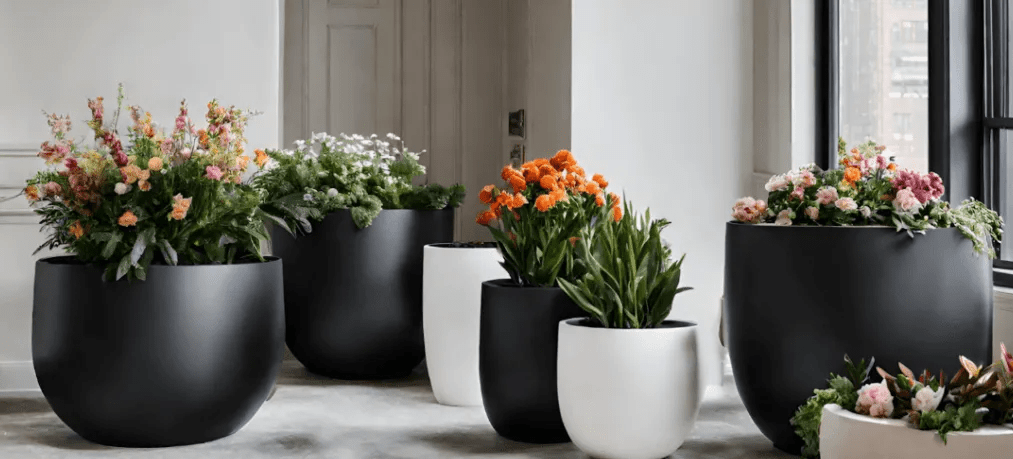
How Many Plants Can You Put in a 12 Inch Planter?
A 12-inch planter can usually accommodate one to three smaller plants.
For a single larger plant, one is often enough. If you’re working with compact annuals, herbs, or small flowering plants, you may be able to plant two or three while still leaving enough room for healthy growth.
For example, a 12-inch container could work well for one larger ornamental plant surrounded by one or two smaller trailing or flowering varieties.
Keep in mind that newly planted containers can look a little sparse at first. Give plants room to grow rather than filling every available inch immediately.
Looking for a 12-inch planter for your next container garden? Browse Planter Resource’s collection to find a size and style that works for your space.
How Many Plants Can You Put in an 18-Inch Planter?
An 18-inch planter provides noticeably more growing space and can generally hold three to five smaller plants, depending on their mature size.
This size is particularly useful if you want to create a combination planting with different heights and textures. You could use a taller plant as a focal point, add a few plants that fill out the middle, and finish with a trailing variety around the edge.
When combining several plants, make sure they have similar growing requirements. Plants that need very different amounts of sunlight or water may not thrive when sharing the same container.
How Many Plants Can You Put in a 24 Inch Planter?
A 24-inch planter gives you considerably more flexibility. Depending on the plants you’re using, it can accommodate five to seven smaller plants or several medium-sized plants.
Larger containers are excellent for creating a fuller, layered arrangement. You might combine a taller centerpiece with flowering plants around it and a trailing plant near the edges.
However, don’t assume that a bigger container means you should add more plants. The mature size of each plant still matters. A few large plants may need just as much space as several smaller ones.
If you’re planning a substantial container garden, explore Planter Resource’s planters to find an option that gives your plants enough room to develop.
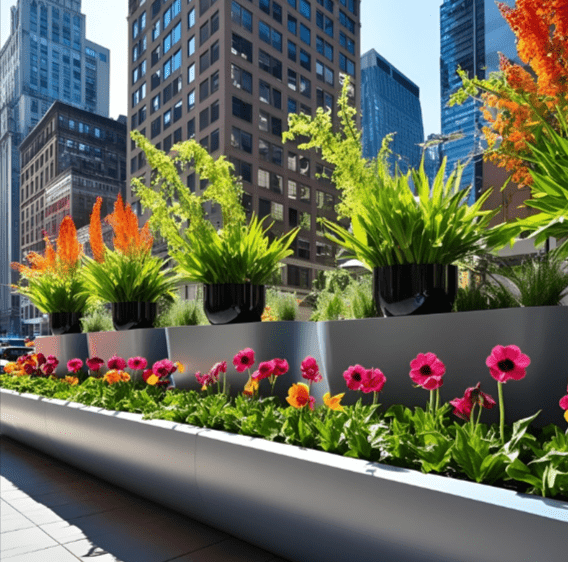
How Many Plants Can Go in a Large Rectangular Planter?
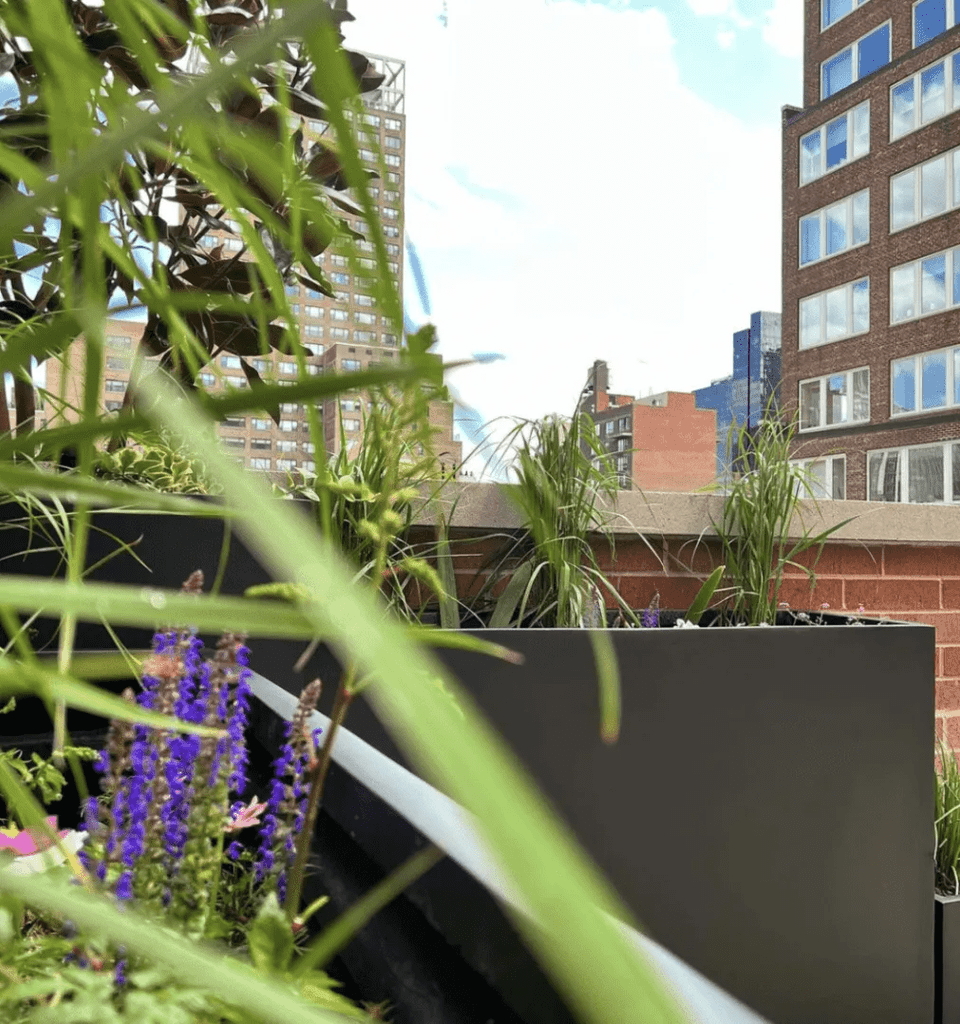
Large rectangular planters are especially versatile because their shape gives you plenty of planting space. The number of plants you can use depends on the planter’s length and width.
For a rectangular planter, think about spacing rather than simply counting plants. A long container might accommodate several small plants arranged in a row, while a wider planter could support multiple rows or a layered combination.
For example, a rectangular planter several feet long could hold a row of herbs, flowering annuals, ornamental grasses, or a mix of plants with different heights.
Before planting, check the mature width of each variety and use that measurement to determine how many plants will comfortably fit.
How Far Apart Should Plants Be in a Planter?
Plant spacing varies considerably depending on the species. As a general rule, look at the plant’s expected mature width rather than its current size.
If a plant is expected to spread 12 inches wide, it will eventually need significantly more room than it appears to need when you first purchase it.
For container gardening, you can sometimes plant slightly closer together than you would in a traditional garden bed if you want a fuller appearance. However, overcrowding can create problems as the plants mature.
Always check the spacing recommendations for the specific plants you’re growing before filling your container.
Can Multiple Plants Share One Planter?
Absolutely. In fact, combining multiple plants in one container is one of the easiest ways to create an interesting and colorful display.
The key is choosing plants that work well together. Ideally, plants sharing a container should have similar requirements for:
- Sunlight
- Water
- Soil
- Temperature
- Fertilizer
- Growing conditions
You can also combine plants based on their growth habits. A popular container arrangement might include a taller plant in the center or back, fuller plants around it, and trailing plants along the edges.
Want to create your own combination planter? Start with a container large enough to accommodate the plants at their mature size. Planter Resource offers a variety of planters for everything from simple single-plant displays to elaborate container gardens.
How Do You Avoid Overcrowding a Planter?
Overcrowding is one of the most common mistakes when planting containers. It can be tempting to fill an empty planter, especially when the plants look small at the garden center.
Instead, think about what the planter will look like in several weeks or months.
Give plants enough space to develop their roots and foliage. Avoid placing plants directly against one another, and consider their mature height and width before deciding where each one belongs.
Also, avoid using too many plants to make a container look full. You can create a beautiful display with fewer plants by combining different heights, textures, colors, and growth habits.
A well-planned planter should leave room for each plant to grow while still creating the full appearance you’re looking for.
Choosing the Right Planter Makes a Difference
The number of plants you can grow successfully depends on more than just the diameter of your container. Consider the plants’ mature sizes, root systems, growing conditions, and the overall arrangement you want to create.
When in doubt, it’s generally better to give plants a little extra room than to overcrowd them. You can always add more greenery later, but a container that’s too crowded can be difficult to correct once the plants have established themselves.
If you’re ready to start a new container garden, explore Planter Resource’s selection of outdoor planters in a range of shapes and sizes. Choosing the right container from the beginning gives your plants the space they need while helping you create a display that looks beautiful throughout the growing season.
Ready to find the right planter for your plants? Shop Planter Resource today and discover containers designed to complement every type of garden.