The biggest mistake NYC urban gardeners make is choosing the wrong plant or the wrong planter. It is fighting the space they have instead of working with it. A north-facing balcony that becomes a Mediterranean sun garden in someone’s imagination, then a collection of dead plants in reality. A rooftop that gets 100-pound terracotta planters, then a structural assessment that says most of them need to come off. A stoop covered in mismatched small pots that looked reasonable individually but together read as clutter.
At Planter Resource, we have spent over 30 years helping NYC homeowners, brownstone residents, and apartment dwellers build outdoor spaces that actually work. Here is the practical guide to urban container gardening that starts with your space as it is, not as you wish it were. Check out our urban gardening collection for planters sized and styled specifically for NYC residential spaces, and call us today for same or next-day delivery throughout all five boroughs.
Assessing Your Space Honestly Prevents Every Expensive Mistake That Comes After
Before buying a single pot, spend a few days observing your outdoor space. How many hours of direct sun does it actually get, not on a perfect summer day, but on a typical one? Where does water collect after rain? How much wind does it receive in summer? What is the structural weight limit on your balcony or rooftop? These questions determine everything that follows: the materials, the sizes, the plants, and the realistic ambition of what your space can support. A north-facing balcony will never be a sun-drenched garden, and that is not a failure; shade gardens can be genuinely beautiful. But treating it like a sun garden will cost you plants, money, and frustration.
Height Is the Most Underused Dimension in NYC Urban Gardens, and It Is Free
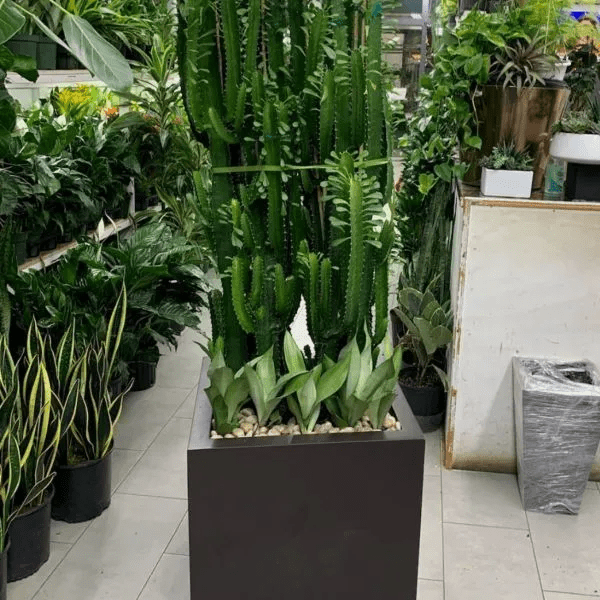
When floor space is limited, going vertical multiplies your planting area without expanding your footprint. Tall planters, round column forms, or tall square cubes draw the eye upward and create a sense of vertical layering that makes a small space feel more expansive and more intentional. Trellis systems attached to walls or railings support climbing plants, such as clematis, morning glory, black-eyed Susan vine, adding height and softening the look without consuming any floor space. Railing planters that mount directly onto balcony railings keep the floor entirely clear while adding greenery at eye level.
Matching Your Planter Style to Your Home’s Architecture Creates Cohesion. Mismatching Creates Clutter
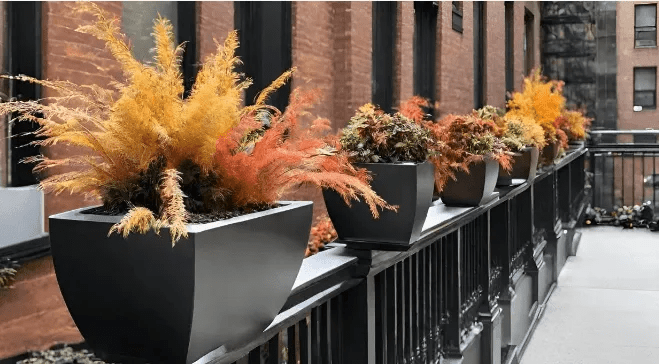
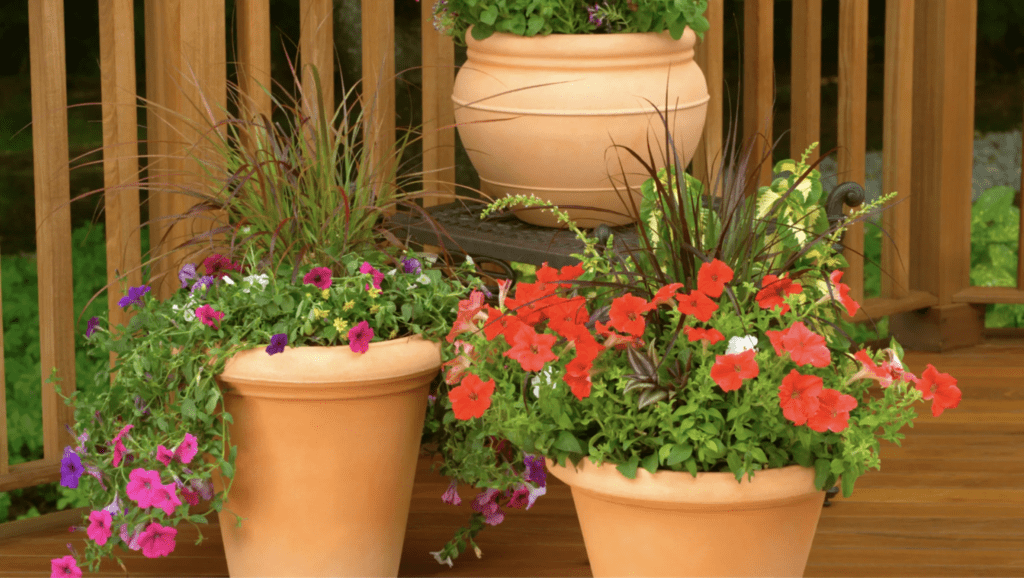
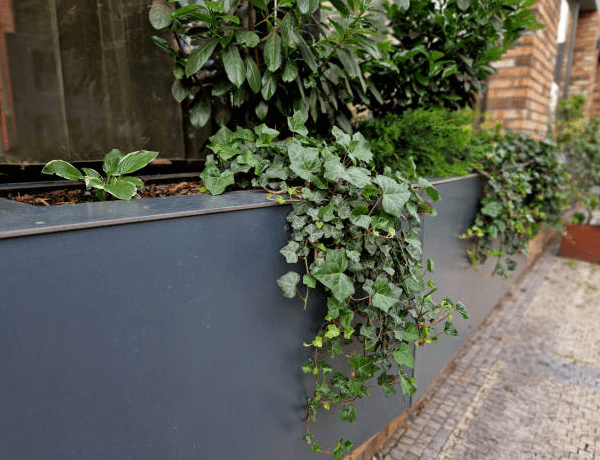
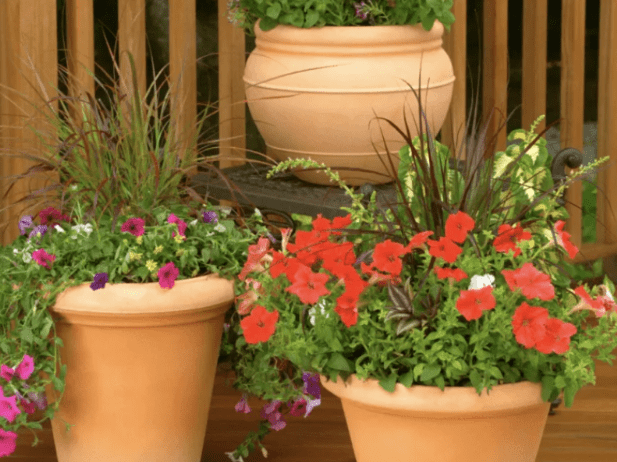
The organic warmth of our Handmade Bourbon Clay planters, Moka Garden pottery, and classic red clay pottery suits the architectural character of older NYC buildings, pre-war brownstones, West Village rowhouses, and Park Slope townhouses. Pair with ferns, hostas, or a classic boxwood topiary for a timeless look that complements rather than fights the building’s character. For modern condos and contemporary homes, clean-lined fiberglass planters in matte black, concrete gray, or white work with contemporary architecture where terracotta would look out of place. For relaxed rooftop gardens and casual outdoor dining spaces, our cedar planters bring natural warmth and are a safe, chemical-free choice for edible gardens.
Growing Your Own Food on a NYC Balcony or Rooftop Is More Achievable Than Most People Think
The requirements for a successful edible container garden are straightforward, and most NYC outdoor spaces can meet them with the right setup:
- At least six hours of direct sun per day. South and west-facing exposures are ideal. Herbs and salad greens can manage with slightly less, but fruiting vegetables like tomatoes and peppers need the full six hours.
- A planter with adequate depth. Salad greens and herbs are fine with an 8-inch. Tomatoes, cucumbers, and peppers need at least 12 to 18 inches. Our cedar planters are the most popular choice for edible gardens, naturally rot-resistant and completely chemical-free.
- Quality potting mix, not garden soil. A good potting mix amended with compost provides the nutrition and drainage that container edibles need. Garden soil compacts in pots and drains poorly.
- Consistent watering. Container plants dry out much faster than in-ground plantings, especially on a sunny rooftop in July. A drip irrigation system on a timer is a worthwhile investment if you are growing edibles at any scale.
Gardening in the Shade: It Is Not a Compromise
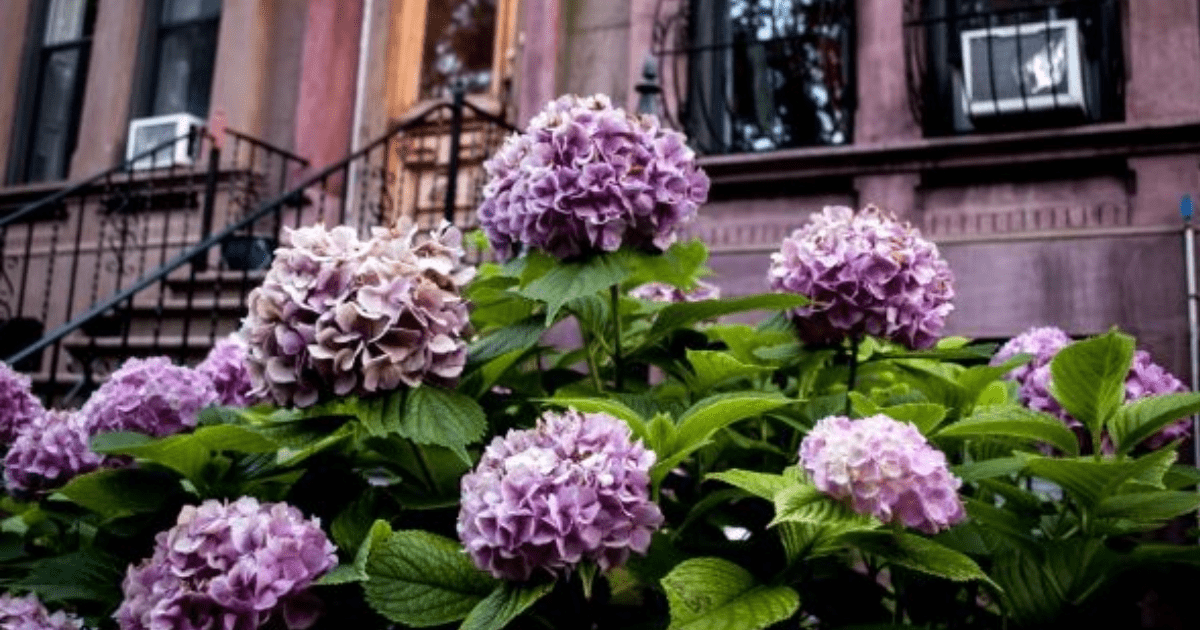 Many NYC outdoor spaces, such as courtyard gardens, lower-floor balconies, and north-facing terraces, get limited direct sunlight. Shade gardening is a legitimate and beautiful approach, not a consolation prize. The USDA Plant Hardiness Zone Map places NYC in Zone 7b, which supports a genuinely wide range of shade-tolerant plants.
Some of the most beautiful container garden plants are shade lovers: hostas in their dozens of varieties, Japanese ferns, astilbe, bleeding heart, impatiens, and the extraordinary range of heucheras, coral bells with foliage in burgundy, lime green, silver, and bronze. A shaded balcony planted with lush hostas and ferns in beautiful terracotta pots can be just as striking as any sun garden.
Seasonal Planting: Keeping Your Space Looking Great All Year
One of the best things about container gardening is how easily it changes with the seasons.
In spring, tulips, daffodils, and hyacinths planted the previous fall put on a show. Summer calls for annuals, herbs, and edibles at their most productive. Fall is the time for mums, ornamental grasses, pansies, and ornamental kale that hold up through the first cold snaps. And winter arrangements using cut evergreen branches, dried seed heads, and decorative elements keep your outdoor planters looking intentional even through December and January.
Browse our outdoor flower pots for versatile options that work beautifully across all four seasons, and visit our blog for seasonal planting inspiration throughout the year.
Ready to create your NYC garden? Browse our full planter collection or call us today. We offer same or next-day delivery throughout all five boroughs.
Frequently Asked Questions
What are the best plants for a beginner NYC container gardener?
Start with plants that are forgiving and rewarding. Geraniums, petunias, and marigolds are colorful, easy to care for, and widely available. Herbs like basil, mint, chives, and parsley are practical and relatively forgiving. Hostas and ferns are nearly foolproof for shaded spots. Once you have a season or two of experience, you can branch out into more demanding plants with much more confidence.
How much sun does my balcony or terrace need for a container garden?
Most flowering plants and vegetables need at least six hours of direct sunlight per day. Herbs vary; basil and tomatoes want full sun, while mint and parsley tolerate partial shade. If your space gets only two to four hours of sun, focus on shade-tolerant foliage plants like hostas, ferns, and heucheras, which can be genuinely beautiful.
Can I grow tomatoes on my NYC rooftop or balcony?
Yes. Cherry tomato varieties are especially well-suited to container growing and do not need the root space of larger varieties. You will need at least a 12- to 18-inch-deep planter, six or more hours of direct sun, and consistent watering. Containers dry out quickly on a sunny rooftop. Determinate varieties, which grow to a set size and stop, are more manageable in containers than indeterminate ones, which keep growing all season.
How often do I need to water container plants in summer?
In hot summer weather, containers can dry out quickly, sometimes within a day on a sunny, wind-exposed rooftop or balcony. Check your plants daily and water when the top inch of soil feels dry. Larger containers hold moisture longer than small ones. If you are going away for more than a day or two in summer, arrange for someone to water or invest in a simple drip irrigation timer.
What is the best soil mix for container gardens?
Use a quality potting mix, not garden soil, which compacts in containers and drains poorly. For most plants, an all-purpose potting mix amended with compost works well. For succulents and cacti, use a fast-draining cactus mix. For edibles, look for a mix labeled for vegetables and herbs. Adding a slow-release granular fertilizer at planting time provides your containers with a solid nutritional foundation.
How do I keep my container garden looking good through the whole summer?
Deadhead spent flowers regularly to encourage continuous blooming on flowering annuals. Feed container plants every two to three weeks with a liquid fertilizer during the growing season, as frequent watering washes nutrients out of the potting mix. Prune back leggy growth to keep plants compact and bushy. Replace any plants that are past their peak. This is one of the advantages of container gardening.
Can I have a container garden on a fire escape in NYC?
Fire escapes in NYC must remain clear at all times as a safety and legal requirement; placing planters on them is not permitted. If a fire escape is your only outdoor space, window boxes mounted on the exterior of the window frame (not the fire escape itself) are a legal alternative. Check your building’s rules before installing anything on the exterior of your apartment.
What should I do with my container plants at the end of the season?
Annual plants can be composted at the end of the season. Hardy perennials, ornamental grasses, and shrubs can often overwinter in containers in NYC’s Zone 7b climate, though they may need some protection during severe winters. Tender tropicals should be brought inside before the first frost. Empty terracotta pots should be cleaned, dried, and stored inside to prevent freeze damage.
Do you carry small planters suitable for an NYC apartment windowsill or a small stoop?
Yes. Our range includes planters in a variety of sizes, from compact accent pieces to large statement planters. For windowsills and small stoops, we carry smaller terracotta, glazed pottery, and fiberglass options that are appropriately scaled. Visit our website or warehouse to browse the full selection.
How do I add privacy to my terrace or rooftop using planters?
Tall rectangular planter troughs filled with tall ornamental grasses, bamboo, columnar shrubs, or climbing plants on a trellis are among the most effective ways to create rooftop and terrace privacy. Our rectangular fiberglass planters in larger sizes are particularly popular for this because they are lightweight and durable. A row of matching planters along the perimeter of a terrace creates both privacy and a defined, polished outdoor room.
Your NYC Outdoor Space Has More Potential Than You Think. Start With the Right Planters
Planter Resource carries the urban gardening-specific planters, the full material range, and the delivery infrastructure to turn any NYC outdoor space into a genuine garden. Same or next-day delivery throughout all five boroughs.
Ready to create your NYC garden? Browse our collection or call us today. Browse urban gardening planters · Full collection · Same or next-day delivery throughout NYC