Most planter buying mistakes happen before anyone looks at a single pot. A homeowner falls in love with something in a showroom, buys it, brings it home, and realizes it is too heavy for their balcony, too large for their stoop, or the wrong material for a climate about to put it through a New York winter. The planter that looked perfect in the store becomes an expensive lesson about what they should have considered first.
At Planter Resource, we have been helping New York City homeowners avoid these mistakes since 1994. Here is the practical framework that gets it right before the planter is in your home. Browse our collection or call us today for same or next-day delivery across all five boroughs.
Buying a Planter You Love Before Assessing Your Space Is How You End Up With the Wrong One
The most reliable way to choose the right planter is to start with where it is going, not with what looks good in a catalog. Different NYC outdoor spaces have fundamentally different requirements, and the material and size that works perfectly in one setting can be a problem in another.
Stoops and Front Entrances: Where Symmetry and Architectural Match Matter Most
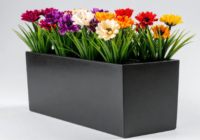
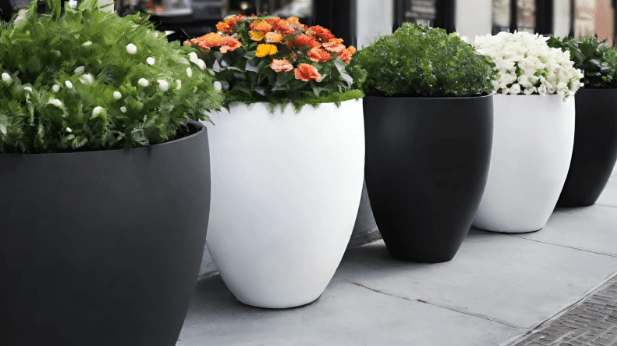
A pair of well-chosen planters flanking your front door can transform the entire feel of your home’s entrance. For this application, symmetry is almost always the right call. Matching planters on each side of the door creates a polished, intentional look that a single planter rarely achieves. Round planters and square cubes are both popular choices here. If your building has a classic pre-war character, our terracotta lines or Handmade Bourbon Clay complement the architecture naturally. For a more contemporary townhouse or condo, a clean-lined fiberglass planter in matte black or concrete gray is a strong choice.
Balconies and Terraces: Where Weight Limits Rule Out More Options Than Most Homeowners Expect
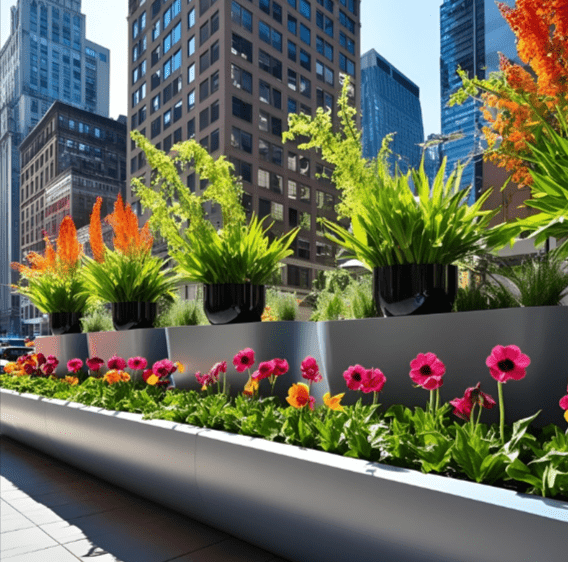
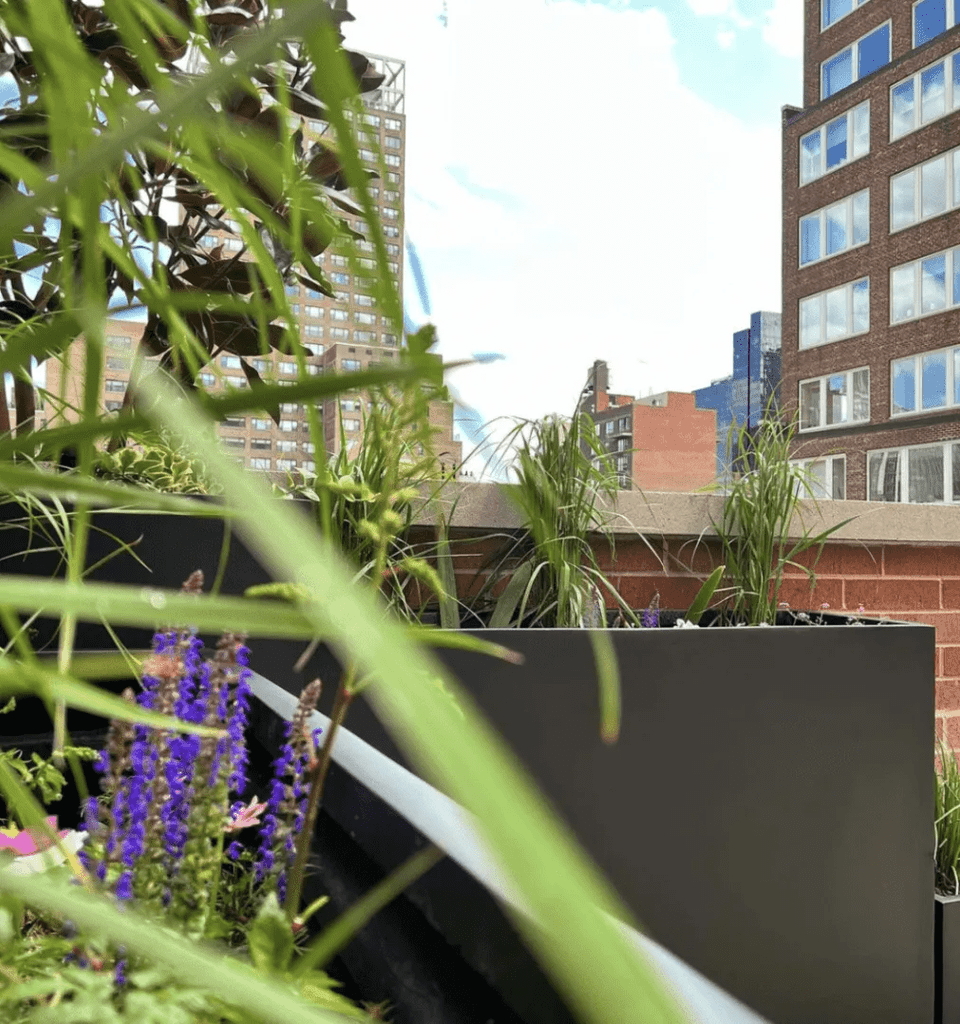
Weight is the first consideration for balconies and terraces, and it eliminates more options than most homeowners anticipate before they do the math. Most residential balconies have structural load limits, and a large planter filled with soil and a mature plant can easily exceed what feels safe to put up there. Fiberglass is almost always the right choice for balcony and terrace planters: it provides the visual impact of a substantial planter without the weight of stone or terracotta. For balcony gardens, size up your planters; larger containers hold moisture longer and give roots more room, but keep the material lightweight.
Rooftop Gardens: Where Lightweight Materials and Structural Assessment Are Non-Negotiable
Rooftop gardens transform unused space into a genuine outdoor retreat, but they come with real weight limits that must be respected. The combination of planters, soil, water, and mature plants adds up significantly, and the wrong approach can create structural concerns. Lightweight fiberglass planters paired with engineered lightweight growing media are the standard approach for serious rooftop gardens. If you are planning a significant rooftop installation, consult with your building management about load capacity before finalizing your planter plan.
Backyards and Garden Beds: Where You Finally Have Full Material Freedom
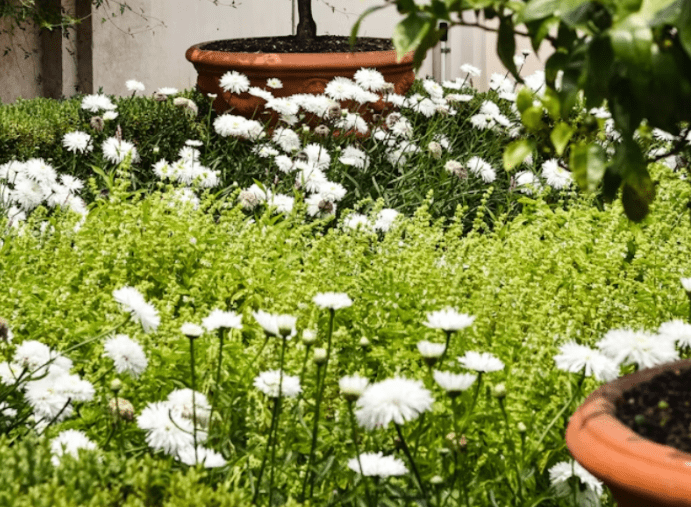
In a ground-level backyard, weight is less of a concern, which opens up the full range of material options. This is where terracotta, cedar raised planters, and heavier Durastone options become practical. A backyard also gives you more flexibility with size: larger planters can anchor seating areas, define garden zones, and frame paths in ways that balcony and rooftop spaces rarely allow.
Your Planter Choice Should Be Driven by What You Are Growing, Not Just How It Looks
The planter and the plant need to work together, and the wrong pairing creates problems that no amount of watering adjustments will fully fix.
- Root depth matters more than most people think. Shallow-rooted plants like lettuce, herbs, and annual flowers do fine in planters 8 to 12 inches deep. Tomatoes, perennials, and ornamental grasses need at least 12 to 18 inches. Small trees or large shrubs need considerably more volume.
- Drainage needs vary significantly by plant. Succulents, lavender, and rosemary prefer to dry out completely between waterings; they do better in porous terracotta or in fiberglass planters with excellent drainage and a fast-draining mix. Plants that prefer consistent moisture are more forgiving of material choice.
- Container color affects soil temperature. Darker planters absorb more heat, which can benefit warm-season plants but stress cool-season ones, a consideration particularly relevant for sun-exposed rooftop and balcony installations.
Style and Aesthetics: Making It Look Right
Beyond the practical considerations, planters are a design element they shape the character of your outdoor space. A few principles that help:
Match the Architecture of Your Home
Classic pre-war buildings, brownstones, and townhouses tend to look best with planters that have a natural, organic character, such as terracotta, handmade clay, or cedar. Contemporary condos and modern homes work well with clean-lined fiberglass in neutral finishes. Our Moka Garden pottery and white wash terracotta both sit comfortably in the middle, working with a range of architectural styles.
Use Consistent Sizing and Fewer, Larger Planters
One of the most common mistakes in small outdoor spaces is using too many small planters. A cluster of mismatched small pots tends to look cluttered. Instead, choose one or two larger planters as anchors and add smaller accent pieces with intention. Consistent sizing, matching pairs, or a set of three graduating sizes creates a sense of order that makes even a small space feel designed rather than accumulated.
Think About Year-Round Appearance
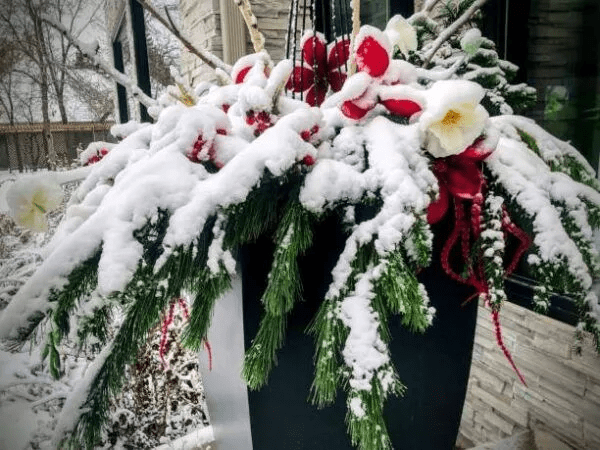
In New York, your outdoor space is visible year-round, even if it is not actively gardened. Choose planters that look good empty in winter, and consider whether your terracotta pots will need to come inside seasonally, as that affects both your planting plan and storage. Our weatherproof garden planters are designed specifically to look great and hold up through all four New York seasons.
A Note on Seasonal Planting
One of the best things about container gardening is the ability to change your space with the seasons. Spring bulbs, summer annuals and herbs, fall mums and ornamental kale, and winter evergreen arrangements can keep your outdoor space looking intentional year-round. Browse our outdoor flower pots for options that transition beautifully through the seasons, and visit our blog for seasonal planting ideas year-round.
Not sure where to start? Visit our warehouse, and our team will help you find the right fit for your space. Same or next-day delivery throughout NYC. Call us today or get in touch online.
Frequently Asked Questions
How do I know what size planter to get for my stoop or entrance?
A good rule of thumb is to choose a planter that feels substantial relative to the door and entryway, not so small that it disappears, but not so large that it blocks the path. For most standard NYC brownstone stoops, a planter between 14 and 20 inches in diameter on each side of the door strikes the right visual balance. If in doubt, bring a tape measure and mark out the dimensions on the ground before ordering.
What is the best planter for a NYC apartment balcony?
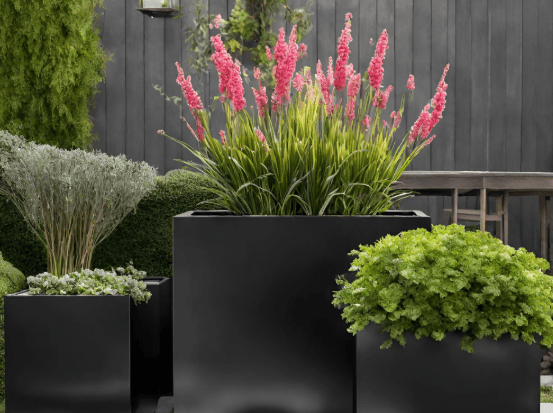
Fiberglass is almost always the best choice for apartment balconies. It is lightweight, weather-resistant, and available in many styles. Since most balconies have structural load limits and limited storage space for bringing pots in seasonally, fiberglass solves both problems it is light enough to be practical and durable enough to stay outside year-round.
Can I grow a small tree or large shrub in a container on my terrace?
Yes, with the right planter size. A small ornamental tree or large shrub needs a container with enough volume to support the root system, typically at least 20 to 24 inches in depth and width, with larger being better. Make sure to account for the total weight of the filled planter when assessing your terrace’s load capacity.
How many planters do I need for a small outdoor space?
Fewer than you might think. In small spaces, one or two substantial planters almost always look better than many small ones. A single large planter can anchor an entire balcony or stoop. Once you have your anchor piece, you can add one or two smaller complementary planters without the space feeling cluttered.
What is the best material for planters in a backyard garden?
In a ground-level backyard where weight is less of a concern, you have more material options than on a balcony or rooftop. Terracotta, cedar raised planters, Durastone, and larger fiberglass pieces all work well. Your choice can be guided primarily by aesthetics and plant requirements rather than structural constraints.
Do I need drainage holes in my planter?
Yes, for almost all planting situations. Without drainage holes, water accumulates at the bottom of the planter, and the roots sit in waterlogged soil, which causes root rot in most plants. If you are using a decorative planter without drainage holes, use it as a cachepot. Place a separate draining inner pot inside it, and empty any water that collects at the bottom after heavy rain or watering.
How do I protect my planters and plants over a NYC winter?
For fiberglass planters, no special treatment is needed; they are frost-resistant and can stay outside year-round. For terracotta planters, bring them inside before the first hard frost to prevent cracking. For the plants themselves, hardy perennials, ornamental grasses, and evergreen shrubs can often overwinter in containers in NYC with minimal protection. Tender plants and annuals should be brought inside or treated as seasonal.
What plants do well in containers in New York City?
NYC falls in USDA Plant Hardiness Zone 7b, which supports a wide range of container plants. For sun-exposed spaces: geraniums, petunias, lavender, ornamental grasses, rosemary, and cherry tomatoes. For shaded or partly shaded spots: hostas, ferns, impatiens, begonias, and caladiums. For year-round interest: boxwood, dwarf conifers, and ornamental grasses that hold their structure through winter.
Can I get planters delivered to my building in Manhattan or Brooklyn?
Yes. Planter Resource offers same-day or next-day delivery to residential addresses throughout all five NYC boroughs. For buildings with specific delivery requirements, doorman buildings, buildings with restricted delivery hours, and walk-up apartments, let us know when you order so we can plan accordingly.
How do I choose between a round planter and a rectangular one?
Round planters tend to feel softer and more organic. They work well in garden settings, on stoops, and in spaces with curved architectural features. Rectangular planters have a more architectural, structured quality. They are ideal for modern homes, for lining the edges of a terrace, or for creating a defined border or privacy screen. When in doubt, the shape that echoes the dominant lines of your outdoor space usually looks most at home.
The Right Planter for Your NYC Space Is One Call Away
Planter Resource carries the full range of materials, sizes, and styles that work for NYC homes, and our team will honestly tell you what fits your situation rather than selling you the most expensive option. Same or next-day delivery throughout the five boroughs.
Call us before you buy. Five minutes on the phone can prevent a costly mistake. planter.pottery@gmail.com · Browse our collection · Same or next-day delivery throughout NYC