Winter in NYC Can be Tough on Outdoor Plants
Your planters need protection, too. Freezing temperatures, snow, ice, and repeated temperature changes can all affect containers that remain outdoors through the colder months.
Taking a little time to prepare your planters before winter arrives can help prevent damage and keep them ready for another growing season.
Whether you have a few containers on a Brooklyn balcony or a collection of planters around your Long Island home, the right winter preparation can make a difference. Here are some important steps to take before the first hard freeze.
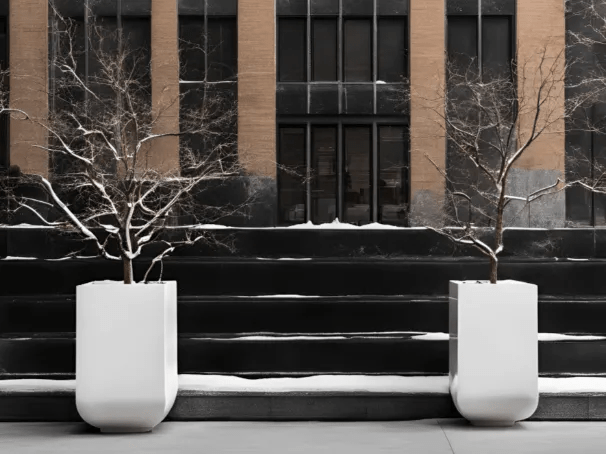
Check Your Planters’ Drainage
Good drainage is one of the most important parts of preparing a planter for winter. Water that remains trapped inside a container can freeze when temperatures drop. As water freezes, it expands, potentially putting pressure on the walls of the planter and causing cracks or other damage.
Before winter, check that drainage holes are clear and that excess water can escape easily. Remove leaves, soil, roots, or other debris that may be blocking the openings.
Also pay attention to where your planters sit. If a container is positioned somewhere that allows water to collect underneath it, consider raising it slightly with planter feet or another suitable support.
Looking for durable containers with dependable drainage? Explore the selection at Planter Resource to find planters that can work for your outdoor space.
Prevent Water From Accumulating
Drainage becomes especially important during a New York winter because outdoor containers may be exposed to rain, snow, sleet, and melting ice. A planter that remains saturated for long periods is more vulnerable to freeze-related damage.
Avoid placing containers in areas where melting snow or runoff naturally collects. If possible, place them where drainage is good while still protecting them from particularly harsh conditions.
For containers that will remain planted throughout winter, make sure the soil is not excessively waterlogged going into the coldest part of the season.
Understand How Planter Materials Handle Freezing Temperatures
Not all planters respond to winter weather in the same way. The material you choose can greatly affect whether a container is suitable for staying outdoors year-round.
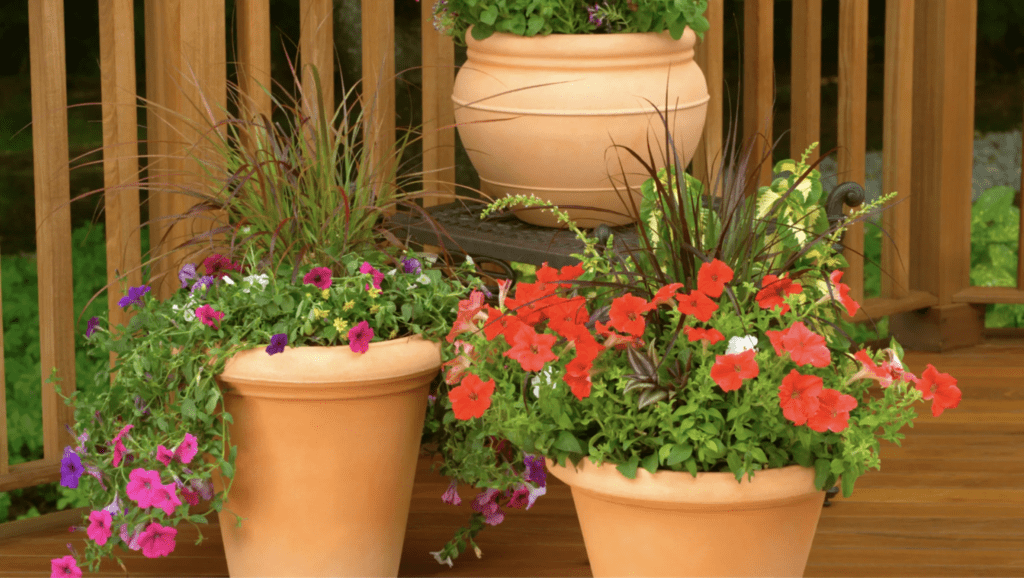
Terracotta, for example, is porous and can absorb moisture. When that moisture freezes and expands, it can cause terracotta containers to crack or break. That does not mean you cannot enjoy terracotta planters in New York, but they require more consideration during winter.
Fiberglass planters are a particularly practical option for homeowners who want containers that can stay outdoors throughout the year. Their lightweight construction and durability make them well suited to changing weather conditions, making fiberglass an excellent choice for balconies, patios, entryways, and other outdoor spaces.
If you are replacing planters before winter, browse Planter Resource’s fiberglass options for a durable addition to your garden that you can continue enjoying year after year.
Move Portable Planters to a Protected Location
If your containers are small or lightweight enough to move, consider relocating them before freezing weather arrives. A garage, enclosed porch, shed, or other sheltered area can provide additional protection from snow and ice.
This is particularly helpful for delicate materials such as terracotta and other porous containers. Even moving a planter closer to the side of your home can sometimes provide additional protection from wind and extreme exposure.
Just make sure plants still get the light and ventilation they need if you move planted containers indoors or into an enclosed space.
Give Terracotta Planters Extra Attention
Terracotta deserves special consideration during an NYC winter. If you have empty terracotta containers, clean them thoroughly and allow them to dry completely before storing them somewhere protected from freezing temperatures.
For terracotta planters that must remain outdoors, take extra care with drainage and placement. Avoid allowing water to sit inside the container, and consider moving smaller pieces to a sheltered location.
If you love the warm, natural appearance of terracotta but want to explore additional options for year-round outdoor use, take a look at Planter Resource’s selection of durable outdoor planters.
Clean and Store Empty Planters
Winter is also a good time to care for containers that will not be used until spring… clean empty planters of old soil, roots, dead foliage, and other debris. Let them dry thoroughly before storing.
Whenever possible, store empty containers in a dry, protected area. Avoid stacking heavy planters in a way that could cause them to crack or become damaged, and make sure stored containers are not sitting in standing water.
Proper storage also makes spring gardening easier. When warmer weather returns, your clean containers will be ready for fresh soil, new plants, and a new season of outdoor gardening.
Choose Planters Built for Year-Round Enjoyment
If you would rather spend less time worrying about moving and storing your outdoor containers every winter, consider choosing materials designed to handle outdoor conditions.
Fiberglass planters are a versatile choice for New York homeowners because they combine durability with a lightweight design. They are available in a wide range of shapes, sizes, and styles, making it easy to find an option that complements everything from a small city balcony to a spacious backyard.
Ready to update your outdoor containers? Explore Planter Resource’s collection of fiberglass planters and find a style that works for your home.
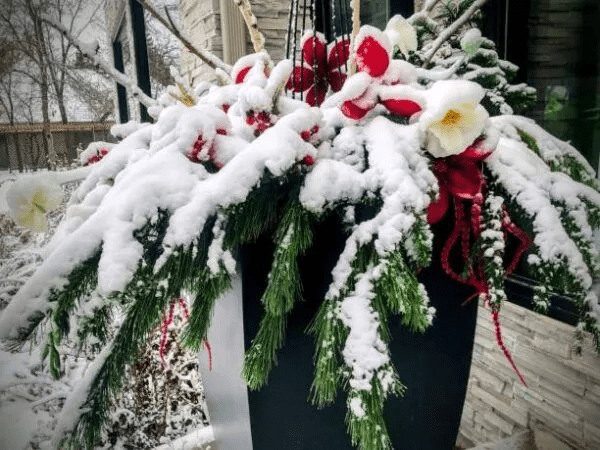
Get Your Planters Ready Before the First Freeze
Winter preparation does not have to be complicated. Clear your drainage holes, prevent water accumulation, move portable containers when needed, give terracotta extra protection, and clean and store planters you won’t use during the colder months.
For homeowners who want a lower-maintenance option, durable materials such as fiberglass can make year-round outdoor decorating much easier.
Before temperatures begin to drop, take a look at your current containers and decide which ones need to be moved, protected, cleaned, or replaced. When you are ready to add something new to your outdoor space, visit Planter Resource to explore planters designed to bring lasting style to your home.