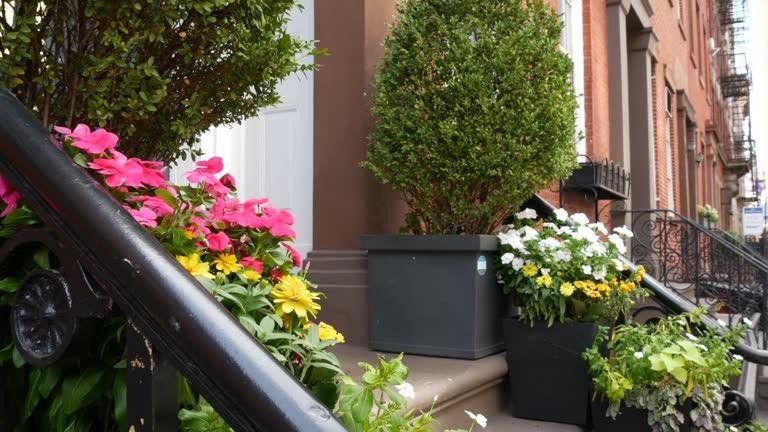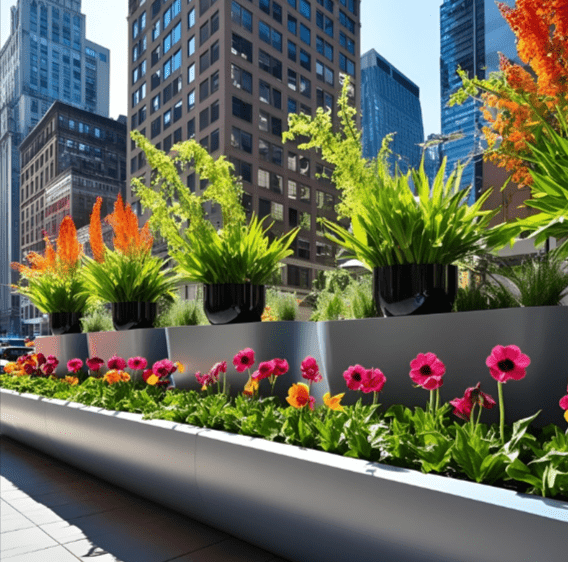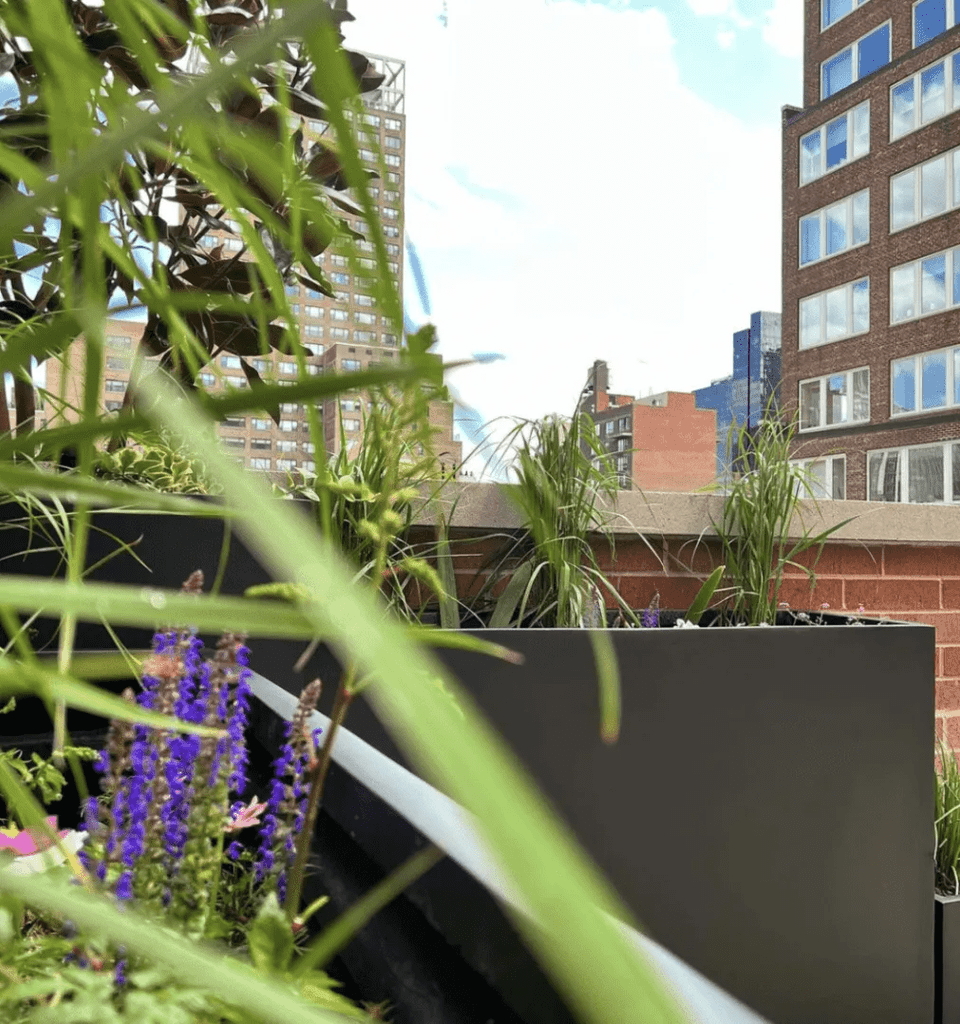

As NYC moves into the new year, entrances, plazas, and retail streetscapes often reveal how much the environment has changed after the holiday surge. Many properties look sparse or visually disconnected in January, which affects curb appeal and customer flow. At the same time, property teams want a more refined, modern look that can set a confident tone for 2026.
At Planter Resource, we see this transition every winter and provide the curated planters and coordinated supplies needed to quickly and reliably restore structure, elevate entrances, and create a cohesive look across all properties.
Plan your 2026 entrance refresh with us.
Architectural Containers Lead the Movement
One of the clearest 2026 NYC design trends for entrances is a shift toward containers that function as architectural elements rather than decorative accessories. Entrances are being shaped with bold silhouettes that frame doorways, define small plaza zones, and support clean, modern linework.
Tall cylinders, oversized squares, and slim rectangular forms are the shaping tools of choice. They give properties a polished, sculptural base, especially during January through March, when greenery is at a minimum. Designers and property teams consistently gravitate toward these forms because they build a visual foundation that feels professional, intentional, and aligned with New York’s evolving streetscape aesthetic.
This container-focused approach gains even more traction when materials are taken into account. Durability, weight, and finish consistency matter. Many properties continue to transition toward fiberglass because it’s lightweight, stable, and refined enough to anchor modern streetscapes without losing resilience.
For durable, architectural containers that elevate any entrance, explore our fiberglass planter collections.
Deep Neutrals and Coordinated Palettes Define 2026 Color Direction
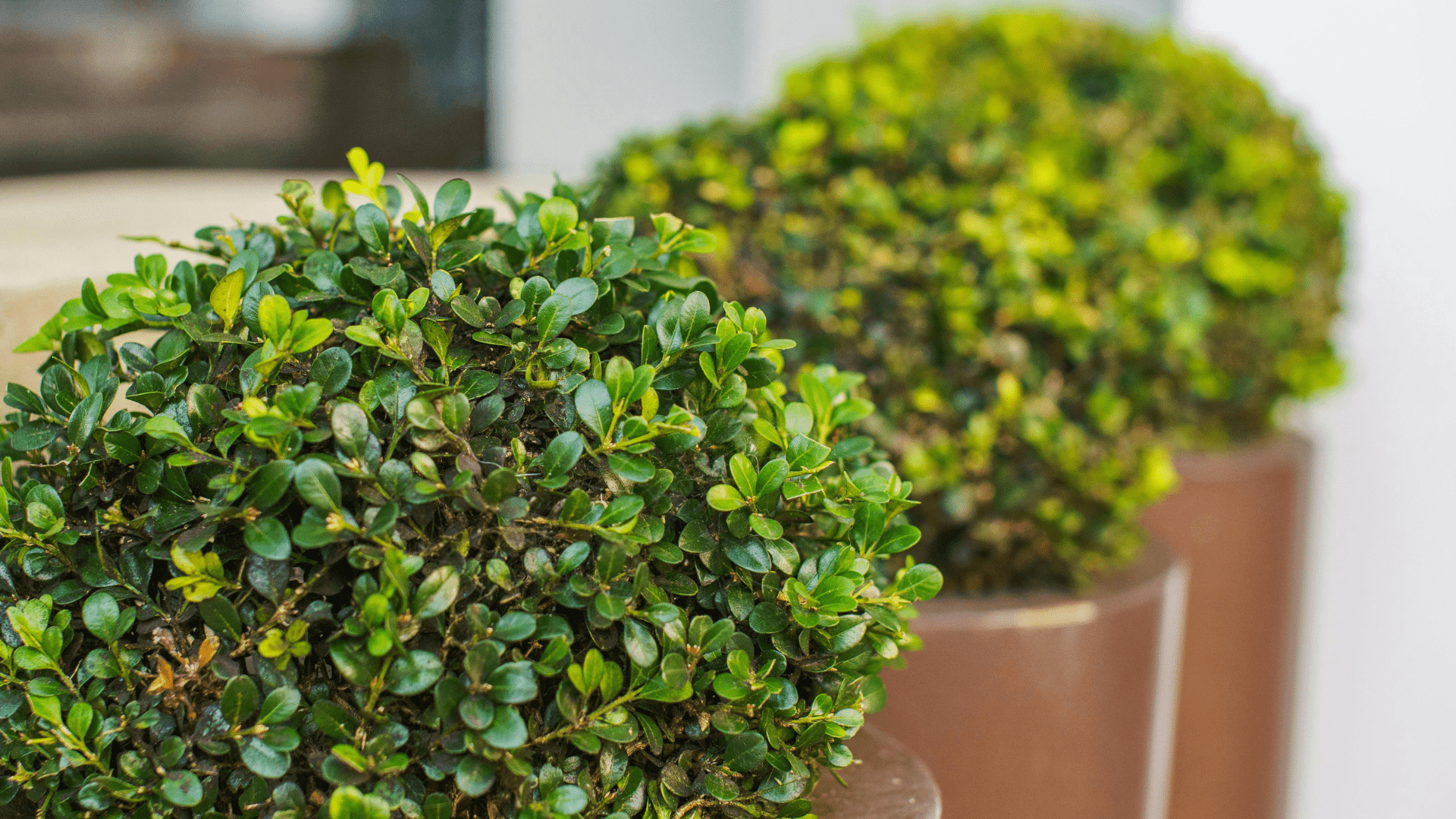
In 2026, NYC exterior design will lean toward elegant, grounded color palettes that remain relevant and attractive year-round. Matte blacks, charcoals, muted whites, soft stone tones, and champagne metallics create a cohesive backdrop for modern architecture while adding enough contrast to make winter materials look intentional rather than sparse.
These tones also support portfolios looking to unify their visual identity. We see more multi-property groups selecting specific colors as their “signature finish,” which allows them to replicate the exact look across boroughs without variation. Fiberglass plays a significant role in this strategy because it absorbs finishes evenly, maintains color integrity under winter exposure, and allows properties to repeat the same palette flawlessly year after year.
Multi-Property Alignment Emerges as a Brand Strategy
A key forecast for 2026: visual consistency across locations will become a measurable business asset. Multi-property groups, whether hospitality brands, corporate campuses, luxury residential managers, or retail chains, are adopting unified planter design as part of their brand strategy.
Uniform silhouettes at each entrance, matching finishes from property to property, coordinated placement patterns, and synchronized seasonal transitions all contribute to a more elevated and recognizable brand identity.
We support this shift through coordinated multi-site orders, logistical planning, and inventory matching. When a brand wants all its properties to feature the same matte-black rectangular planter or the same tall round statement piece, we manage the process from selection to delivery to ensure every location receives the exact match.
Consistency is not just aesthetic; it reinforces brand trust and creates a cohesive tenant or guest experience.
Winter-Forward Styling Takes Priority Over Seasonal Color
One of the most essential 2026 NYC design trends for entrances is the shift toward winter-first planning rather than spring-first. Properties want to look strong during January through March, when traditional plantings fall flat, florals are short-lived, and the weather becomes unpredictable.
To meet this need, designers are shifting toward sculptural greens, minimal evergreens, structural branches, grasses, and cut materials that hold shape even during storms. These pairs naturally pair with oversized containers that add physical weight, visual balance, and architectural presence.
We’ve found that oversized round and tall rectangular planters remain the most effective winter silhouettes, especially when paired with materials that can withstand ice, freeze-thaw cycles, salt exposure, and high winds.
Minimalist Planting Styles Become the New Standard
Another emerging 2026 trend is the rise of minimalist design. Instead of dense arrangements, properties are embracing compositions rooted in clarity, structure, and balance. Singular evergreens, geometric branch pieces, sculptural grasses, and clean moss bases are becoming the preferred aesthetic for entrances and plazas.
This approach is not only visually modern but also cost-efficient and easier to maintain across large property portfolios. At Planter Resource, we often see clients pair minimalist botanicals with monochrome containers to create bold, gallery-like entrances that remain consistent through changing seasons.
Entrances Become Experience Zones Rather Than Transitional Spaces
As 2026 approaches, more NYC properties are reimagining entrances as micro-environments where visitors pause, orient themselves, and experience the building’s identity before stepping inside. Planters help transform these spaces from straightforward doorways into curated zones.
Common strategies include using tall planters to create architectural “corridors,” grouping rectangular planters to form small plaza pockets, or establishing rhythm and repetition along retail streetscapes. Rooftops and terraces follow similar patterns, with planters used to define lounges, create privacy, or shield guests from wind without heavy structural modifications.
We help property teams design these entrance moments with coordinated planter sets that align with the brand’s overarching vision while supporting foot traffic flow and the guest experience.
Sustainability and Longevity Drive Material Choice for 2026
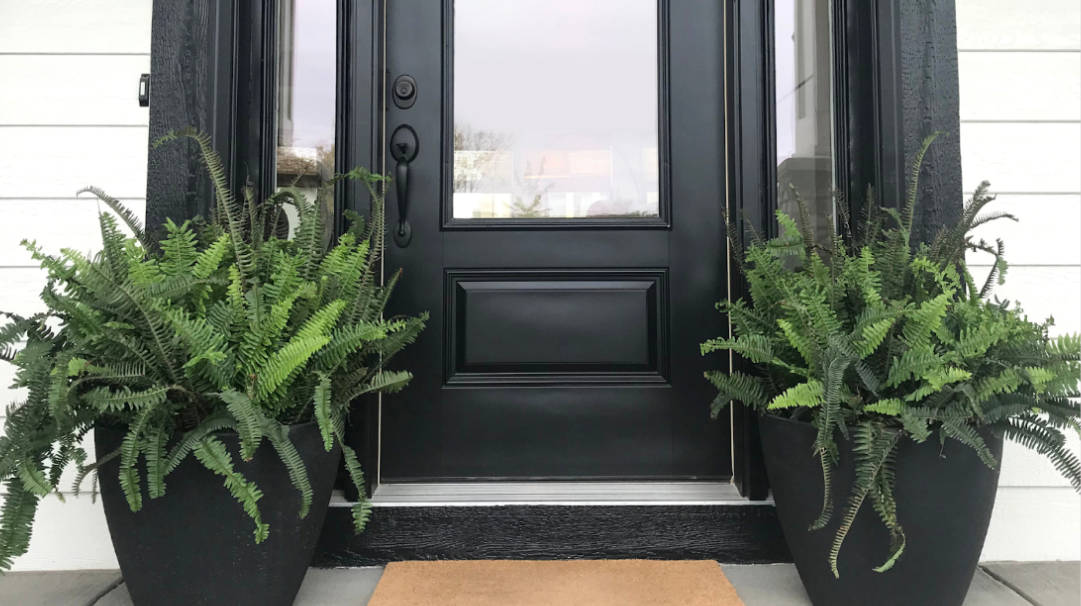
Another major 2026 trend is the shift toward long-span materials that reduce waste and lower maintenance costs. Property teams want containers that perform through harsh winters, busy summers, and seasonal transitions without needing frequent replacement.
Fiberglass is increasingly the material of choice because it offers durability without added weight, maintains its finish for years, and complements both modern and classic building styles.
For property groups focused on long-term brand and maintenance strategies, choosing stable materials now helps reduce operational complexity in future years.
2026 Will Be the Year of Clear, Cohesive, Architectural Streetscape Design
Across entrances, plazas, and retail corridors, 2026 will highlight design choices that feel unified, structural, and brand-forward. Properties that adopt these trends, consistent containers, clean silhouettes, grounded palettes, winter-first design, and minimalist plantings will stand out in a city where visual competition is constant.
At Planter Resource, we’re already supporting property teams as they prepare their 2026 styling plans with curated planter selections, coordinated multi-site supply, and dependable delivery across all five boroughs.
Explore our products for 2026 streetscape design.