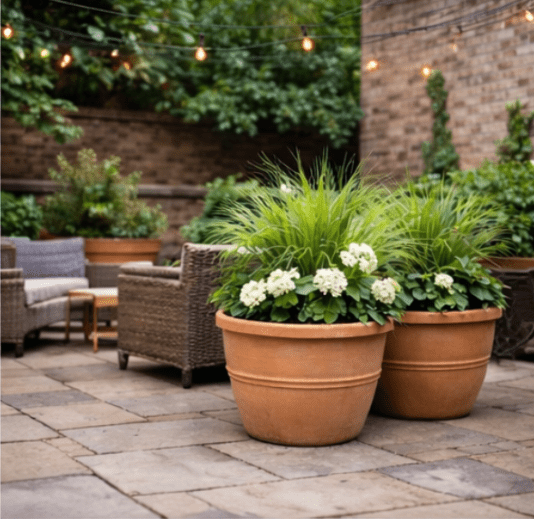
Creating a welcoming space in New York City often starts with greenery. Apartments, offices, restaurants, and lobbies all have different lighting levels, traffic patterns, and maintenance requirements. Terracotta and clay pots offer a timeless foundation that works across residential and commercial environments when paired with the right plants.
Understanding how to match plant types with clay planters helps spaces stay polished, healthy, and visually balanced throughout the year. These natural clay containers support air circulation and moisture balance, which helps many plants thrive indoors. When chosen thoughtfully, indoor plants for clay pots can elevate a space without requiring unnecessary upkeep.
From small apartments to large commercial interiors, the right combinations support both design goals and daily use. If you are planning a refresh or new installation, explore Planter Resource’s terracotta and clay planter collection to find options that complement your space and support long-term plant success.
Terracotta and Clay Planters Work Well in New York City
Terracotta and clay pots remain popular in urban environments because these materials adapt well to indoor conditions. Natural clay allows air and moisture to move through the pot walls, which helps regulate soil conditions. This quality supports healthy root systems and reduces issues related to stagnant moisture.
In New York City apartments, clay planters add visual warmth, softening modern interiors. In commercial settings, terracotta planters add texture and authenticity without overpowering surrounding design elements. Restaurants, offices, and lobbies often rely on clay planters to create approachable spaces that feel lived in and intentional.
These planters also work across a wide range of styles. Minimalist interiors benefit from simple clay forms, while more traditional spaces pair well with aged terracotta finishes. This versatility makes clay planters a practical choice for many environments.
What to Consider When Choosing Plants for Clay Pots Indoors
Before selecting plants, it helps to evaluate the environment where the plant will live. Different plants respond to light, airflow, and watering routines in unique ways.
Key factors to consider include:
- Available natural or artificial light
- Temperature consistency throughout the day
- Foot traffic and accessibility
- Maintenance schedule and staff availability
- Size and depth of the clay planter
Plants in clay pots indoors perform best when the conditions align with their natural growth habits. Terracotta planters work especially well with plants that prefer breathable soil and consistent moisture control.
Best Indoor Plants for Terracotta Planters in Apartments
Apartment living in New York City often means limited space and varied light conditions. The following plants pair well with terracotta planters and adapt easily to indoor environments.
Snake Plant
Snake plants thrive in terracotta pots because clay helps prevent excess moisture around roots. These plants tolerate low light and irregular watering, which makes them well-suited to apartment life. Upright growth makes snake plants ideal for corners and narrow areas.
Pothos
Pothos plants perform well in clay pots indoors and adapt to a wide range of light conditions. Trailing vines soften shelves, bookcases, and window ledges. Terracotta planters help regulate soil moisture and support steady growth.
ZZ Plant
ZZ plants store water in thick roots, making them compatible with breathable clay pots. These plants handle low light and infrequent watering, which benefits busy households and rental properties.
Fiddle Leaf Fig
Smaller fiddle leaf fig trees benefit from terracotta planters that allow airflow around roots. Bright indirect light supports healthy leaves, while clay pots help prevent water buildup that can affect root health.
Plants That Suit Clay Pots in Offices and Commercial Interiors
Commercial spaces often require plants that look consistent, handle varied lighting, and tolerate occasional schedule changes. Plants for lobby and office planters should balance durability with visual impact.
Rubber Plant
Rubber plants offer glossy leaves and an upright structure that complements modern interiors. Clay planters support balanced moisture levels and anchor taller growth. These plants perform well in offices with moderate light.
Peace Lily
Peace lilies thrive in terracotta pots because clay helps maintain even moisture. These plants add softness to reception areas and meeting rooms while adapting to indoor lighting.
Dracaena
Dracaena varieties provide height and movement without demanding frequent care. Clay planters stabilize soil conditions and support steady root development. These plants work well in offices, hotels, and shared workspaces.
Ferns
Ferns benefit from the breathable nature of clay planters. Terracotta helps maintain consistent moisture without waterlogging soil. These plants perform best in spaces with moderate humidity and indirect light.
Plants That Work Well in Restaurants and Hospitality Spaces
Hospitality environments require plants that maintain a clean appearance and tolerate temperature fluctuations and heavy traffic. Clay planters offer durability and timeless appeal in these settings.
Recommended options include:
- Philodendron for flexible placement and trailing forms
- Monstera for statement pieces in dining areas
- Parlor palm for compact greenery in seating zones
- Aloe for modern spaces with bright light
Indoor plants for terracotta planters support these environments by helping regulate soil conditions and providing visual consistency.
 Matching Planter Size and Shape to Plant Type
 Matching Planter Size and Shape to Plant Type
The relationship between plant and planter affects both appearance and maintenance. Clay pots come in a wide range of sizes and profiles, making it easier to tailor selections to each space.
General guidelines include
- Use deeper pots for plants with extensive root systems
- Choose wider planters for plants that spread outward
- Match taller plants with heavier clay planters for stability
- Allow space between the soil surface and the rim to manage watering
Planter Resource offers terracotta and clay planters in styles that support both residential and commercial needs.
Maintaining Clay Planters for Long-Term Appeal
Clay planters develop character over time, but basic care helps maintain a clean and professional look. Indoor environments reduce exposure to extreme weather, which extends the life of terracotta pots.
Helpful maintenance practices include:
- Using saucers or liners to protect floors
- Cleaning exterior surfaces periodically
- Monitoring soil moisture regularly
- Adjusting watering schedules seasonally
These steps support healthy plants and preserve the natural finish of clay planters.
Designing with Terracotta in Mixed Use Spaces
Many New York City properties include a mix of residential and commercial elements. Terracotta planters offer a sense of continuity across these spaces. A consistent planter material creates visual flow between lobbies, offices, apartments, and shared amenities.
Designers often use a range of sizes and plant types while maintaining a unified clay palette. This approach supports flexibility without sacrificing cohesion.
Why Planter Resource Supports Clay and Terracotta Solutions
Planter Resource works with designers, property managers, business owners, and homeowners to source planters that balance function and style. Terracotta and clay planters remain a core offering because these materials adapt well to indoor environments and support a wide range of plants.
From compact apartment planters to large-scale commercial installations, Planter Resource provides options that fit urban spaces and professional design goals.
Bringing Balance and Beauty to NYC Spaces with the Right Plant and Planter Pairing
Terracotta and clay pots offer a versatile foundation for greenery in New York City apartments and commercial spaces. When paired with the right plants, these planters support healthy growth while enhancing the look and feel of interiors. Understanding which plants perform best in clay planters helps spaces remain inviting, balanced, and easy to maintain.