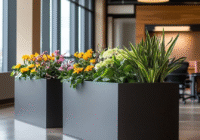
Indoor plants bring life, color, and a sense of calm to offices, lobbies, and apartments, but they require careful attention to thrive. Proper planter drainage is a key part of keeping plants healthy and spaces looking vibrant. Without it, water can accumulate at the bottom of the planter, creating conditions that harm roots and stunt growth.
Whether you manage a corporate lobby, a restaurant, or a residential apartment, learning effective planter drainage practices saves time and prevents problems before they start. Commercial interior planter drainage techniques, along with practical indoor planter drainage tips, help you create spaces where plants flourish while minimizing maintenance.
For guidance on selecting planters and maintaining healthy indoor plants, Planter Resource offers a range of options tailored to your space and design needs. Explore our selection of planters designed for commercial and indoor spaces today and find the right planter for your project.
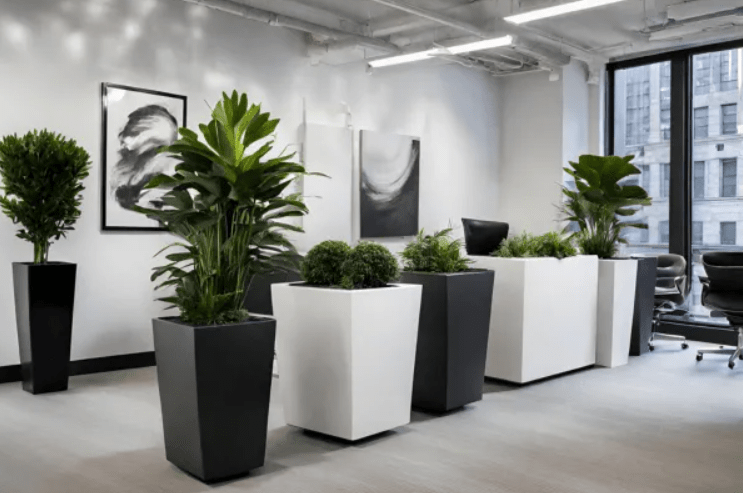
Drainage Matters for Indoor Planters
Water management is one of the most overlooked aspects of indoor plant care. Without proper drainage, water sits in the bottom of the planter, reducing oxygen to the roots and increasing the risk of root rot. Over time, this can weaken plants, stunt growth, and create unpleasant odors.
Planter drainage also affects plant performance. Proper drainage allows roots to access oxygen, absorb nutrients efficiently, and develop strong structures. For commercial spaces where plants are part of the design, maintaining healthy plants indoors ensures lobbies, offices, and public areas remain attractive and inviting.
Even in small-scale setups, such as apartment indoor gardens or reception areas, planter drainage matters. Watering becomes simpler, plants respond better to care, and the overall environment benefits from the greenery.
Effective Indoor Planter Drainage
A few essential features make a planter suitable for indoor use and commercial interiors. Understanding these elements helps you select the right planters and prevents common issues like overwatering and soggy soil.
1. Drainage Holes
Planters with built-in drainage holes allow excess water to escape instead of collecting at the bottom. This simple feature keeps roots from sitting in water, which is critical for both houseplants and larger installations in commercial spaces.
2. Layering Materials
Adding a layer of gravel, small stones, or specialized media at the bottom of the planter can improve water flow. Layering also prevents soil from clogging drainage holes, maintaining consistent water movement and aeration.
3. Proper Soil Mix
The type of soil you use influences drainage performance. Well-draining soil mixes designed for indoor plants or container gardening keep water moving and prevent compaction. Combining peat, perlite, and compost in appropriate ratios helps create a balanced environment for roots.
4. Saucers and Water Trays
Saucers catch excess water that drains from the planter, protecting floors, tables, and furniture. Choosing a tray that fits your planter size ensures clean and safe indoor plant maintenance.
5. Planter Material
Materials like fiberglass, ceramic, and terracotta affect water retention and drainage. Planters like fiberglass often provide durability while maintaining good water control, making them ideal for commercial interior planter drainage. Terracotta planters absorb moisture slightly, helping regulate soil moisture over time.

Indoor Planter Drainage Tips
Maintaining proper drainage in indoor spaces is more than choosing the right planter. Regular practices ensure water is managed correctly and plants remain healthy.
- Layer soil and media correctly: Place a layer of gravel or stones at the bottom, followed by soil to enhance water movement and prevent root saturation.
- Check water flow regularly: After watering, make sure water moves through the soil and exits the drainage holes, so adjust your technique if water pools on top.
- Avoid overwatering: Even planters with excellent drainage can suffer if watered too frequently. Observe your plants and soil moisture before adding more water.
- Clean drainage holes: Over time, they can become clogged with soil or roots. Inspect and clear them periodically to maintain proper flow.
- Use the right size planter: A planter that is too small can dry out quickly, while one that is too large can retain excess water. Balance planter size with plant needs.
Choosing the Right Planter for Commercial Interiors
Selecting a planter that supports proper drainage is essential in high-traffic commercial areas. Lobbies, restaurants, and shared office spaces benefit from planters that balance aesthetics with functionality.
- Modular planter systems: For shared commercial spaces, modular systems allow flexible arrangements while maintaining consistent drainage and soil quality.
- Fiberglass commercial planters: Lightweight, durable, and versatile, these planters offer consistent drainage and a modern appearance. They work well in busy lobbies and large office areas.
- Terracotta planters: Classic and breathable, terracotta absorbs some moisture and helps regulate soil dampness. They are ideal for indoor plants that prefer slightly drier conditions.
- Self-watering planters: These planters feature internal reservoirs that slowly release water, reducing the risk of overwatering and minimizing maintenance in commercial settings.
Common Challenges in Indoor Planter Drainage
Indoor planter maintenance presents challenges distinct from those of outdoor gardening. Recognizing these issues helps prevent plant stress and maintain a healthy appearance.
- Urban microclimates: Indoor spaces often have temperature and humidity variations that affect how quickly soil dries. Monitoring plant needs is essential for optimal growth.
- Excess water retention: Planters without drainage can trap water, leading to root rot, even in small apartment setups.
- Uneven watering: Water may flow unevenly through larger planters or shared planter beds, creating dry spots.
- Soil compaction: Over time, soil can compact, slowing drainage and limiting oxygen to the roots. Regular soil turnover or aeration helps prevent this.
Simple Maintenance Routine for Healthy Indoor Plants
A straightforward routine keeps your commercial or residential plants thriving. Combining planter choice, proper watering, and inspection can prevent most drainage-related issues.
- Inspect Planters Weekly: Check for water pooling, drainage blockages, and soil condition.
- Water Mindfully: Adjust water amounts based on plant size, soil type, and planter material.
- Rotate Plants: In commercial spaces with natural light, rotating plants ensures even growth.
- Refresh Soil Periodically: Top off soil or replace it annually to maintain nutrient levels and proper drainage.
- Clean Trays and Floors: Empty excess water from saucers and wipe surfaces to prevent stains and maintain hygiene.
Following this routine reduces stress on plants and helps them stay healthy, vibrant, and visually appealing.
Create Spaces That Thrive with Proper Drainage
Effective drainage in commercial interior planters is essential for vibrant, long-lasting indoor plants. By choosing planters with the right features, layering soil and media appropriately, and following simple maintenance steps, you can support healthy growth while enhancing your space. From apartment setups to large office lobbies, proper drainage improves plant health, simplifies care, and creates inviting environments.
Selecting the right planter, combined with consistent indoor planter drainage practices, ensures your plants remain lively and well cared for in the space. Browse Planter Resource today to find commercial and indoor planters that make plant care simple and spaces more inviting.