Every July, New York City gardeners run into the same problem. Plants that looked healthy in May are struggling by midsummer, wilting between waterings, roots baking in pots sitting in direct sun, and soil drying out faster than anyone expected. Most of the time, the issue is not the plant or the gardener. It is the planting material.
Fiberglass and terracotta are both excellent materials, but for different situations, different homes, and different levels of maintenance tolerance. Here is the honest comparison that helps you buy right the first time. Browse our full collection or call us today. We deliver same-day or next-day throughout NYC.
Why Planter Material Matters More in Summer Than Any Other Season
In spring and fall, most materials perform reasonably well. The temperatures are moderate, watering is easier to manage, and plants are not under the same stress. Summer changes the math. A rooftop in July can reach surface temperatures well above the ambient air temperature. A south-facing stoop in Brooklyn gets direct sun for most of the day. Planters that sit in those conditions absorb heat, transfer it to the root zone, and accelerate moisture loss sometimes dramatically.
Fiberglass Is Much Lighter Than It Looks Which Changes Everything for Rooftop and Balcony Use
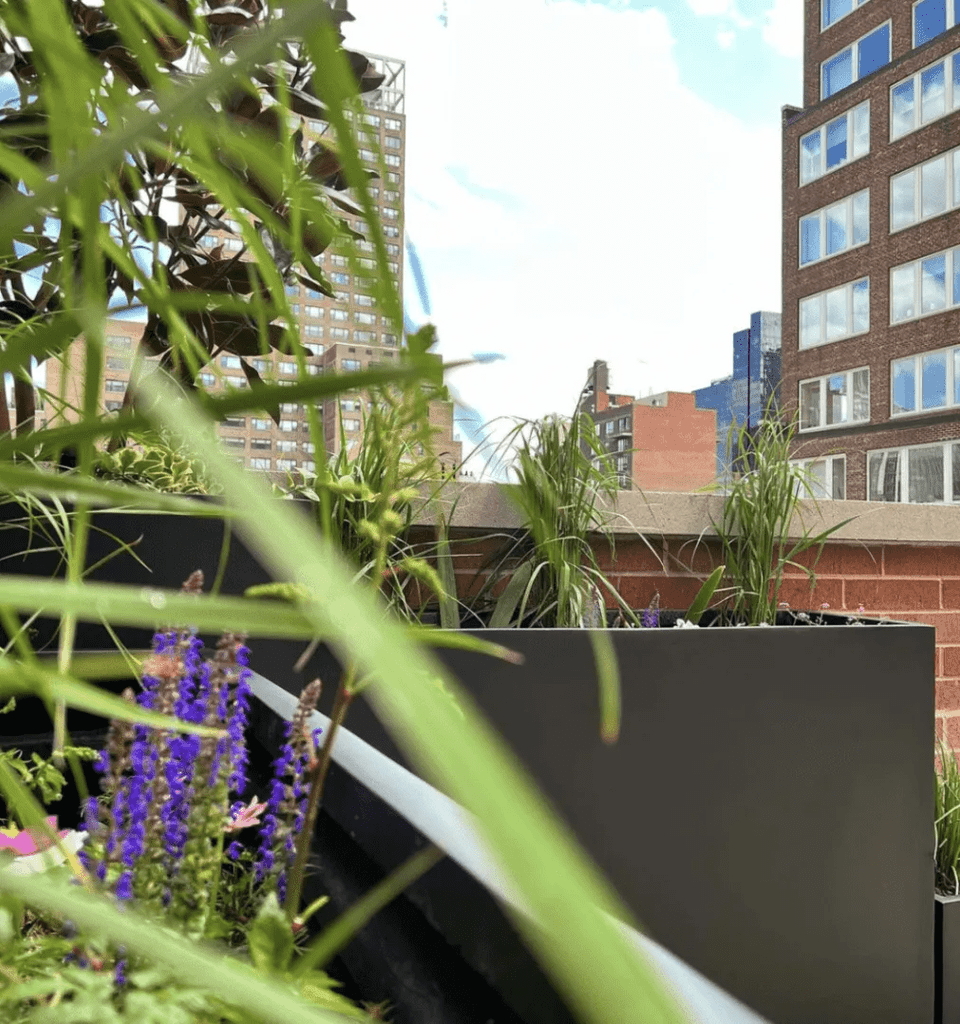
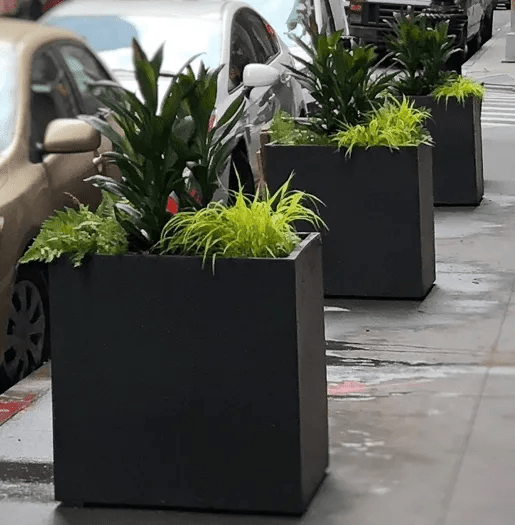
The detail that surprises most first-time fiberglass buyers is the weight. A large rectangular fiberglass trough that would require two people and significant effort to move in terracotta can often be managed by one person in fiberglass. For rooftop terraces and apartment balconies where structural load limits are a real constraint and seasonal repositioning is a practical reality, this weight difference is not just convenient; it is often the deciding factor. Most NYC residential balconies have load limits that rule out large terracotta or stone planters entirely. Fiberglass makes large-scale balcony gardening possible.
Fiberglass comes in Finishes That Suit Every NYC home, including ones that look like stone or Concrete
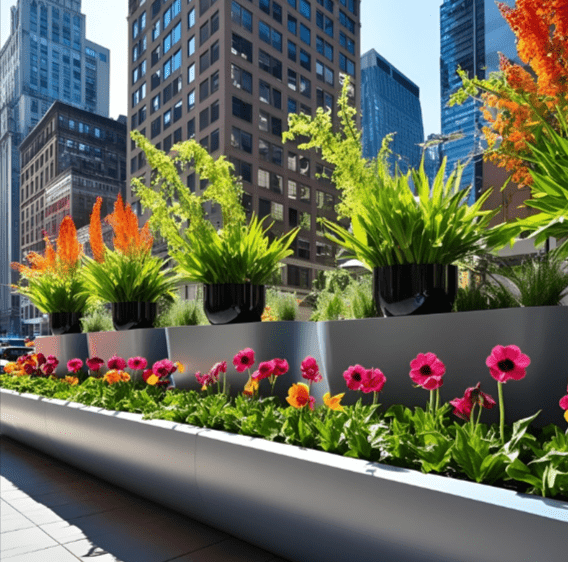
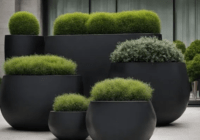
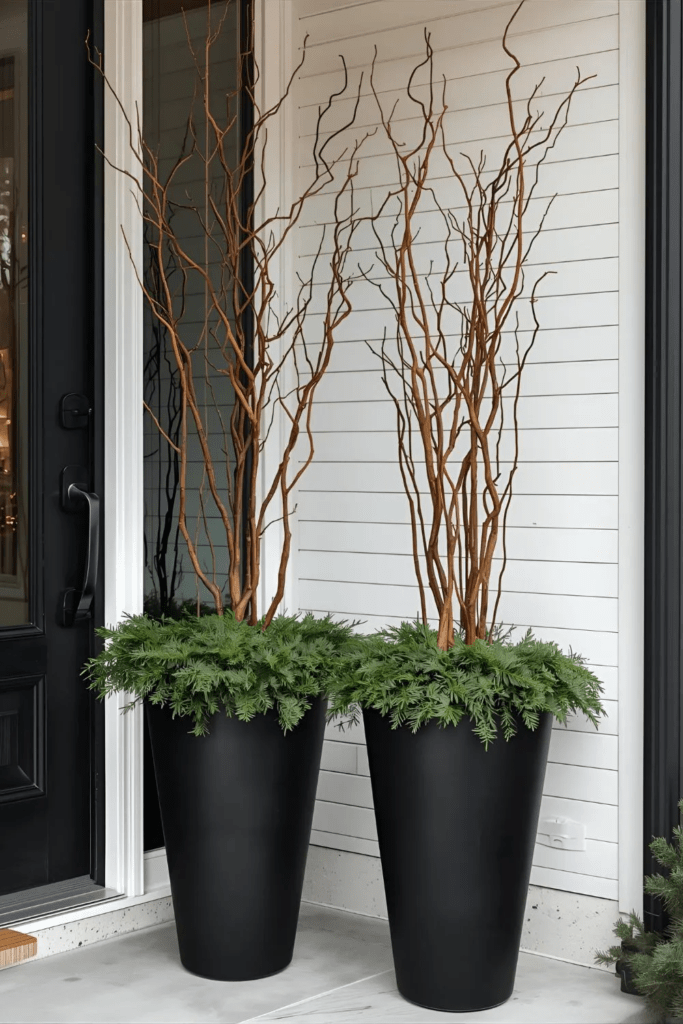
If you have assumed fiberglass means a shiny, obviously synthetic planter, look again. Modern fiberglass manufacturing produces finishes that convincingly replicate brushed concrete, aged stone, matte charcoal, warm earth tones, and more. Our fiberglass collection includes rectangular troughs, square cubes, and round planters in finishes suited to contemporary condos, transitional brownstones, and traditional homes throughout the five boroughs. The one caveat: fiberglass is not porous, so it does not breathe the way clay does. Use planters with good drainage holes and a well-draining potting mix, and this is easily managed.
Terracotta Is Genuinely Better for Plant Health, and Nothing Else Replicates Its Natural Character
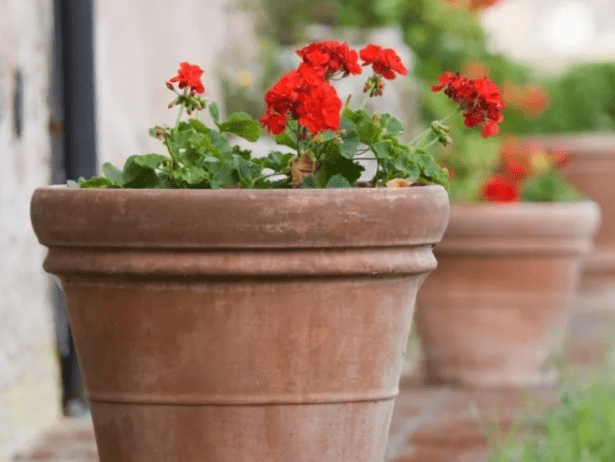
Terracotta has been used for planting for thousands of years because it works. The porous clay walls allow air and moisture to move through, keeping the root zone well-aerated and dramatically reducing the risk of root rot, a real advantage for succulents, herbs, orchids, and any plant that prefers its roots to dry out between waterings. Beyond plant health, the warm, handcrafted character of quality clay pottery brings something to a garden that no manufactured material can fully replicate. An aged terracotta pot with its natural efflorescence, patina, and weathered surface has an authenticity that takes years to develop and cannot be faked. Our terracotta collection spans from classic red clay and white wash to the artisanal Handmade Bourbon Clay and Moka Garden pottery lines.
Terracotta’s Porosity Is an Advantage for the Right Plants and a Challenge for Others
Terracotta’s defining characteristic is its porous clay walls, and in summer, that porosity works in two directions. Water evaporates through the walls as well as from the soil surface, which keeps the root zone well-aerated and prevents the waterlogging that kills succulents, herbs, and Mediterranean plants. For anyone growing lavender, rosemary, thyme, succulents, or cacti, terracotta’s faster-drying nature is genuinely beneficial. The tradeoff is that in high heat, terracotta can dry out very quickly, sometimes within a day for smaller pots in direct sun.
Quick Comparison: Which Is Right for Your Situation?
| Your situation | Better choice |
| Rooftop, balcony, or terrace with weight limits. | Fiberglass |
| You want to leave pots outside all year. | Fiberglass |
| Growing succulents, herbs, or orchids. | Terracotta |
| You love the look of handcrafted clay pottery. | Terracotta |
| Large statement planter for your front stoop. | Either depends on your style |
| Matching planters for a modern outdoor space. | Fiberglass |
| Traditional brownstone or townhouse garden. | Terracotta |
| You want zero seasonal maintenance. | Fiberglass |
You Do Not Have to Choose; Many NYC Homeowners Use Both Strategically
Many of our residential customers use both materials in the same outdoor space, fiberglass for large structural planters and terracotta for smaller accent pieces and herb gardens.
The two materials actually complement each other well when the finishes are chosen thoughtfully. If you are not sure which direction to go, visit our warehouse and see both in person. The scale and texture of planters is hard to judge from photos alone, and our team is always happy to talk through your space and your planting ideas. You can also get in touch online or request a quote if you have a specific project in mind.
Browse our full range of fiberglass planters and terracotta planters online, or visit our warehouse in person. Same or next-day delivery throughout NYC. Call us today or email planter.pottery@gmail.com.
Frequently Asked Questions
Will fiberglass planters fade or warp in summer sun?
Quality fiberglass planters are UV-stabilized and designed for outdoor use, including prolonged sun exposure. They should not fade, warp, or degrade noticeably through a New York summer. Lower-quality fiberglass can fade over time, which is one reason material quality matters when buying.
Which planter material is better for a hot NYC rooftop in summer?
Fiberglass is generally the better choice for rooftop environments. It absorbs less heat than terracotta, retains moisture longer between waterings, and is significantly lighter, which matters both for ease of setup and for the structural load limits of most NYC rooftops.
Are fiberglass planters safe for edible herbs and vegetables?
Yes. High-quality fiberglass planters are inert and do not leach any chemicals into the soil, making them completely safe for edible plants. Make sure the planter has adequate drainage holes and use a good-quality potting mix appropriate for the plants you are growing.
Why does my terracotta pot have white stuff on the outside?
That white chalky residue is called efflorescence minerals from your soil or water that have dissolved and been carried through the porous clay walls, then crystallized on the surface as the water evaporates. It is harmless to both the pot and your plants. You can remove it by scrubbing with a stiff brush and a solution of white vinegar and water.
How heavy is a large fiberglass planter compared to terracotta?
The difference is significant. A large fiberglass planter might weigh 10 to 20 pounds empty, while a comparable terracotta pot could weigh 50 pounds or more. At larger sizes, the gap widens further. For anyone working on a rooftop or upper-floor terrace, this difference is very meaningful.
What potting mix should I use in a fiberglass planter?
A good quality all-purpose potting mix works well for most plants. For succulents and cacti, use a fast-draining cactus or succulent mix. For herbs, a mix with extra perlite or coarse sand improves drainage. Avoid using garden soil in containers, as it compacts and drains poorly.
Do terracotta pots dry out faster than fiberglass?
Yes. Because terracotta is porous, water evaporates through the walls as well as from the soil surface. This is beneficial for plants that like to dry out between waterings, but it means you will need to water more frequently, sometimes daily in hot summer weather. If you are going away for a week, terracotta pots may need more planning around watering.
What styles of terracotta does Planter Resource carry?
We carry several terracotta lines suited to different home aesthetics, including classic red clay pottery, white-wash terracotta, Moka Garden pottery, Handmade Decorative Clay, and our artisanal Handmade Bourbon Clay collection. Visit our website or warehouse to see the full range.
Can fiberglass planters look like stone or concrete?
Yes, very convincingly. Modern fiberglass finishing techniques can replicate the look and even the texture of brushed concrete, aged stone, weathered metal, and other materials. Many people are surprised to learn that planters they assumed were stone or concrete are actually fiberglass.
Do you deliver planters to residential addresses in NYC?
Yes. Planter Resource offers same or next-day delivery throughout all five boroughs: Manhattan, Brooklyn, Queens, the Bronx, and Staten Island to both residential and commercial addresses. Contact us to arrange delivery for your order.
The Right Planter Makes Summer Gardening Easier, Not Harder
Most summer plant problems in NYC outdoor spaces are not about watering frequency or plant choice. They are about starting with a material that works with your space, your sun exposure, and your schedule rather than against it. Planter Resource carries the full range of fiberglass and terracotta options for NYC homes, with staff who can help you match the right material to your specific setup.
Browse our fiberglass collection and terracotta collection online, or visit our warehouse to see both in person. Same or next-day delivery throughout NYC. Get in touch or email planter.pottery@gmail.com.