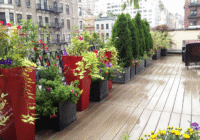
Spring comes fast in New York City, and rooftops and balconies are often the first to show signs of change. Warm afternoons can turn into chilly evenings, with strong winds and changing sunlight. City gardeners look for plants that can withstand these ups and downs while creating outdoor spaces that feel welcoming and well-designed.
Choosing the right plants and planters helps rooftops and balconies adjust to spring. Good choices support healthy growth and make outdoor spaces look and work better. With a little planning, spring planting feels easier and more enjoyable.
Look for plant options and planter materials that fit your rooftop or balcony. Start planning a spring setup that works with the city environment. Check out Planter Resource’s planter styles and sizes to help you plan your spring layout with confidence.

Understanding Rooftop and Balcony Growing Conditions
Rooftops and balconies experience more exposure than ground-level gardens. Wind dries soil faster, temperature shifts happen quickly, and sunlight often reflects off surrounding buildings. Spring plants for urban planters need flexibility and strong root systems to adapt to these conditions.
Planter material influences how plants respond to these factors. Fiberglass planters help reduce overall weight while offering insulation against temperature changes. Terracotta planters allow airflow through the walls, which helps manage moisture during unpredictable spring weather.
Choosing plants that suit container life and pairing them with appropriate planters creates a stable environment during early growth.
Early Spring Plants That Adapt Well to Containers
Some plants respond better to the realities of rooftop gardening in NYC. These options handle cool nights, variable moisture, and compact root zones without demanding constant adjustment.
- Pansies and violas bring early color and tolerate cooler temperatures
- Ornamental grasses add movement and structure without heavy maintenance
- Daffodils and tulips thrive in spring container groupings
- Boxwood and dwarf evergreens provide structure through seasonal transitions
- Heuchera offers color variation and adapts well to partial sun
Early spring container planters benefit from plants that establish quickly and recover well after temperature dips.
Matching Plants With Fiberglass Planters
Fiberglass planters work especially well on rooftops where weight and durability matter. These planters support larger arrangements without placing unnecessary load on elevated surfaces. Fiberglass also holds soil temperature more consistently during spring weather shifts.
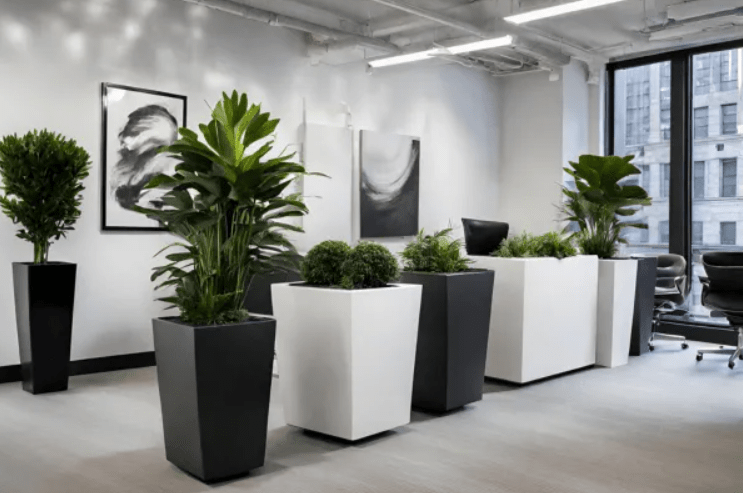
Taller fiberglass planters help anchor rooftop layouts and define zones. These planters pair well with ornamental grasses, evergreen shrubs, and mixed seasonal plantings. Many NYC rooftop gardening designs rely on fiberglass planters to create structure while allowing flexibility for seasonal updates.
Fiberglass finishes range from modern to textured, making these planters adaptable across residential and commercial settings.

Using Terracotta Planters for Spring Variety
Terracotta planters offer a timeless look that suits balconies and smaller rooftop spaces. The porous surface allows soil to breathe, which helps prevent water buildup during spring rains. These planters work well for herbs, flowering bulbs, and compact perennials.
Terracotta pairs naturally with spring plants that prefer balanced moisture levels. Grouping terracotta planters near seating areas or railings softens hard edges and introduces warmth to outdoor layouts.
Urban spring planting benefits from mixing materials, and terracotta planters provide contrast when paired with fiberglass containers in the same space.
Planning Layouts for Rooftops and Balconies
Plant placement influences how well spring plants perform. Rooftop planters often benefit from grouping to reduce wind exposure and retain moisture. Balconies may require staggered heights to maximize light and airflow.
Consider these layout tips when planning spring planters.
- Place taller fiberglass planters along edges to act as wind buffers
- Use terracotta planters closer to walls or seating areas
- Group plants with similar watering needs
- Allow space between planters for airflow and access
Planters for rooftop landscape design should support movement and function while maintaining visual balance.
Soil and Drainage Considerations
Healthy spring plants depend on proper drainage. Rooftop and balcony planters need drainage holes and appropriate soil blends to avoid excess moisture buildup. Fiberglass and terracotta planters both support drainage when paired with the right setup.
A layer of gravel or drainage material helps protect roots during spring rains. Lightweight soil mixes work best for rooftop containers and reduce overall load.
Maintaining consistent soil conditions supports plants that survive unpredictable spring weather and encourages steady growth.
Seasonal Flexibility for Urban Spaces
Spring planting sets the stage for the months ahead. Selecting plants and planters that adapt easily allows for seasonal swaps without redesigning the entire space. Fiberglass planters simplify rearranging layouts, while terracotta planters transition smoothly into summer planting cycles.
Spring plants for urban planters often act as placeholders for future growth. Planning with flexibility in mind keeps rooftop and balcony spaces fresh without frequent replacement.
Design choices work best when urban gardening supports change rather than resists it.
Supporting Spring Plant Care
Spring weather encourages growth but also demands attention. Regular watering checks, light pruning, and soil monitoring help plants adjust to shifting conditions. Rooftop planters may dry out faster, while sheltered balconies may retain moisture longer.
Planter choice influences maintenance routines. Fiberglass planters reduce cracking concerns, while terracotta planters provide visual cues when soil dries out.
Simple care habits help plants stay healthy without becoming time-consuming.
Bringing It All Together for Spring Success
Spring planting on rooftops and balconies blends creativity with practicality. The right plant choices, paired with fiberglass and terracotta planters, help urban spaces feel grounded and intentional despite unpredictable weather. Thoughtful layouts and adaptable materials support long-term enjoyment across seasons.
By understanding how plants respond to container environments and choosing planters that suit city conditions, outdoor spaces become easier to manage and more enjoyable to use.
Explore planter options at Planter Resource to find fiberglass and terracotta styles that support your spring planting plans and help shape rooftop and balcony spaces that grow beautifully with the season.